I used to believe throwing money at local advertising would automatically reel in new customers. But after pouring hundreds into whatever seemed trendy—boosted posts, expensive SEO packages, flashy signage—I realized I was just flushing money down the drain. That lightbulb moment hit hard during a slow month when a simple tweak in my Maps SEO strategy brought in more foot traffic than all my scattergun efforts combined.
Why Smarter Spending Matters for Local Businesses Today
In today’s crowded market, every dollar counts. Yet, many small-business owners still fall into the trap of overinvesting in complicated, costly marketing plans that promise the world but deliver little. The truth? You don’t need a massive budget to boost your visibility. You just need to know where to focus your efforts for maximum impact without breaking the bank. The stakes are high; according to recent studies, local searches with intent to buy have increased by over 250% in the past five years, making local SEO a goldmine when approached correctly (source).
So, how can you start making smarter, affordable moves that actually move the needle? That’s exactly what we’ll explore. But first, let me ask—have you ever felt like you’re throwing money at local marketing without seeing the results you deserve? If so, you’re not alone—and I’m here to tell you there’s a better way.
Is Local SEO Really Worth Your Time and Money?
Early on, I made the mistake of investing heavily in generic SEO services that promised quick results but delivered little long-term value. It was only after I learned to focus on tailored local strategies—like optimized Maps SEO –that I started seeing consistent growth. To avoid wasting your budget, consider targeted, proven methods rather than costly, one-size-fits-all packages. Want to discover effective tactics? Check out this guide on Maps SEO packages to get started.>, making your marketing as efficient as possible and setting yourself up for sustainable growth.
Prioritize Your Local Visibility Goals
Start by pinpointing what local customers search for when they need your product or service. Use tools like Google Keyword Planner or SEMrush to identify high-intent keywords relevant to your area. Focus on terms with location-specific modifiers, such as “bakery downtown” or “plumbing near me.” This targeted approach ensures your efforts reach people ready to convert, maximizing impact without overspending. Remember, clarity on your objectives helps streamline subsequent steps and avoid wasted resources.
Optimize Your Google Maps Presence
Claim and Verify Your Business Listing
If you haven’t already, claim your Google My Business (GMB) listing. Verification adds credibility and is a prerequisite for appearing in local map searches. Double-check your business details—name, address, and phone number—to ensure consistency across all platforms. Accurate, uniform information enhances search algorithms’ trust, helping your listing rank higher in local results.
Enhance Your GMB Profile
Add high-quality photos, respond to reviews promptly, and update your hours during holidays or special events. Regular activity signals to Google that your business is active and trustworthy, boosting visibility. Incorporate relevant keywords naturally into your business description to improve search relevance. This hands-on approach isn’t costly but yields tangible improvements in local search presence.
Leverage Local SEO Packages Effectively
Invest in tailored Maps SEO packages that focus on fixing common ranking issues or optimizing local citations. For instance, a package offering on-page SEO optimization combined with local directory listings can significantly elevate your local ranking. Avoid inflated prices by choosing providers who focus on proven strategies—like correcting duplicate listings or enhancing NAP (Name, Address, Phone) consistency. Check out this guide on Maps SEO packages to understand what effective services include.
Create Local Content That Converts
Develop blog posts, videos, or testimonials that resonate with local audiences. Share success stories about community projects or highlight local events your business participates in. Use your targeted keywords organically within content to capture nearby search intent. This not only improves SEO but also fosters community trust, turning online visibility into actual store visits. Remember, content should be relevant, engaging, and positioned to answer local queries directly.
Harness Affordable Marketing Hacks
Complement your SEO efforts with low-cost tactics like social media engagement, partnerships with local influencers, or participation in community events. Cross-promote your Google My Business profile on Facebook, Yelp, and niche directories. These integrations extend your reach without substantial expenses. For additional ideas, see this list of affordable marketing hacks.
Monitor and Adjust Your Strategy
Track your rankings, website traffic, and local reviews regularly. Use free tools like Google Search Console and Google Analytics to identify what’s working and what’s not. If certain keywords or listings underperform, tweak your profile or content accordingly. Consistent monitoring allows you to refine efforts, ensuring your budget is spent on tactics that deliver results. Remember, local SEO isn’t a one-time effort but a long-term process of continuous improvement.
 Many small business owners fall into the trap of believing that simply investing in popular local SEO tactics guarantees success, but the real nuance lies in understanding the intricacies and avoiding common pitfalls. One widespread myth is that all “Maps SEO packages” are created equal. In reality, many are cookie-cutter solutions that overlook your unique geographic and demographic factors, leading to wasted resources. Instead of just opting for generic “affordable local marketing” strategies, savvy entrepreneurs tailor their SEO plans in 2025 to target specific community behaviors, seasonality, and local search trends. This approach demands an advanced understanding of how local algorithms evolve and how to leverage hyper-local content effectively. According to industry expert Neil Patel, customization in local SEO significantly boosts ranking stability and customer engagement, especially when combined with strategic Map package selections.
Furthermore, many businesses misunderstand the importance of data-driven adjustments. They may implement what they believe are best practices but neglect ongoing analysis, leading to stagnation rather than growth. An often-overlooked aspect is how local search intents are shifting; for instance, proximity-based searches are now leaning toward voice and mobile queries, requiring SEO strategies to adapt accordingly. Failing to recognize this can result in your business visibility plateauing or declining, no matter how much investment is made.
Another crucial nuance involves the quality of citations and reviews—not just their quantity. Many jump into “effective local SEO” without paying proper attention to NAP consistency or review management, which are critical ranking factors today. Mismanaging these can undercut the benefits of even well-placed Maps SEO packages.
In summary, mastering local SEO in 2025 means going beyond the surface, understanding algorithmic nuances, customizing strategies, and continuously analyzing your data. The challenge is to distinguish between short-term hacks and sustainable, tailored strategies that adapt with evolving digital landscapes. This layered understanding is key to truly amplifying your business visibility.
Have you ever fallen into this trap? Let me know in the comments.
Maintaining a robust local SEO presence requires more than just initial setup; it’s an ongoing process that involves the right tools, consistent effort, and strategic adjustments. As the landscape evolves, so should your approach, leveraging specific equipment and software to stay ahead. One crucial asset in my toolkit is BrightLocal, which I personally use every month for tracking local rankings, managing citations, and monitoring reviews. Its dashboard consolidates data from multiple directories, saving hours of manual checks and providing actionable insights that keep my clients’ maps and local listings optimized. Additionally, Google Search Console remains indispensable for diagnosing technical issues, ensuring that my website is crawlable, and understanding how local queries perform. I particularly focus on mobile usability reports, given the rising trend of voice searches and proximity-based mobile queries. For content updates and keyword adjustments, SEMrush is my go-to for identifying new opportunities and tracking competitors’ local strategies. These tools collectively form a comprehensive system, making the tedious task of ongoing maintenance manageable and effective.
How do I keep my map rankings and local visibility consistently high?
Regularly auditing local citations, reviews, and NAP (Name, Address, Phone) consistency ensures your listings remain trustworthy and authoritative. I recommend scheduling monthly checks using BrightLocal’s citation tracker to catch and correct discrepancies before they impact rankings. Automating review requests through platforms like Podium or Birdeye also helps sustain a steady influx of fresh, positive feedback—social proof that Google favors. To stay ahead of algorithm shifts and local search trends, I follow industry blogs and attend webinars, like those offered by Moz and Search Engine Journal. Looking forward, I predict that AI-driven local search algorithms will become more personalized, emphasizing user intent and experience over keyword stuffing. To adapt, business owners should focus on creating hyper-local, community-centered content and actively managing their review profiles. If you want to dive deeper into future-proofing your approach, check out this resource on local SEO packages.
Finally, don’t forget that consistent effort is key. A monthly review of analytics, ongoing citation management, and keeping your GMB profile fresh with new photos and posts will keep your visibility on the rise. Embrace automation where possible, but always verify the data to avoid costly mistakes. Remember, local SEO isn’t a one-and-done task; it’s an active, strategic practice that pays dividends over time.
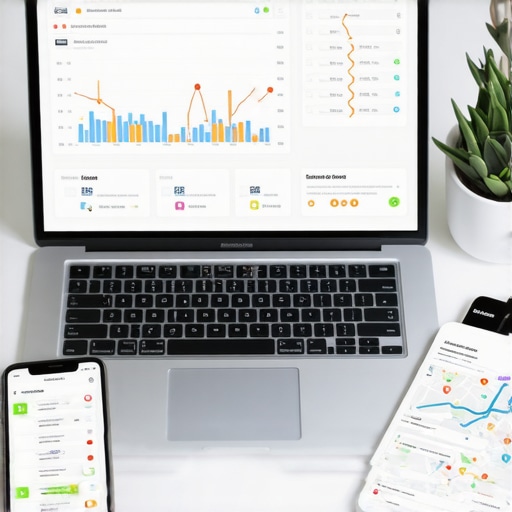
Image description: A workspace showing a laptop with local SEO dashboards, a smartphone displaying map rankings, and a coffee cup, illustrating tools for ongoing local SEO maintenance.
What They Don’t Tell You About Local SEO Success
One of my biggest lightbulb moments was realizing that the biggest wins often come from overlooked details—like ensuring your NAP consistency or actively engaging with reviews. Getting caught up in trendy tactics without monitoring their impact is a mistake I made early on. Now, I understand that the small, deliberate tweaks—such as optimizing your Google My Business profile or tailoring local content—can create compounding effects that transform your visibility over time. The real lesson? Success in local SEO isn’t about flashy packages; it’s about strategic, ongoing effort grounded in data and community understanding.
Curated Tools That Changed My Approach
Over the years, several tools became indispensable in keeping my local SEO efforts on track. BrightLocal’s citation and review management platform is my go-to for ensuring consistency and gathering authentic customer feedback. Google Search Console remains vital for technical insights, helping me spot issues before they hurt rankings. Additionally, SEMrush offers localized keyword opportunities I might miss otherwise. These resources empower me to stay nimble, adapt to algorithm shifts, and prioritize what truly moves the needle—saving time and money while maximizing impact.
Your Turn to Make the Leap
Embracing smart, tailored local SEO strategies in 2025 can dramatically change your business landscape. Don’t let misconceptions or short-term hacks hold you back—focus on continuous improvement, community relevance, and data-driven adjustments. Remember, the roads to visibility are built brick by brick, and with the right mindset and tools, you can dominate your local market. Now, I’d love to hear—what’s the one local SEO challenge you’re eager to conquer next? Share your thoughts below and let’s grow together.