It was a quiet Tuesday morning when I glanced at my business’s local search rankings and felt a surge of frustration. Despite spending hours refining my maps SEO packages and tweaking my SEO strategies for 2025, those rankings were plummeting. I realized I wasn’t alone—many local business owners are facing similar ranking declines in 2026, despite their best efforts. This isn’t just a glitch; it’s a wake-up call about how quickly the local search landscape is evolving.
Why Losing Local Visibility Can Crush Your Business in 2026
In today’s competitive market, your local online visibility isn’t just a luxury—it’s a lifeline. If your map pack or local search rankings slip, so do your calls, visits, and ultimately, your revenue. I learned this the hard way when a failed SEO plan nearly cost me my customer base. An early mistake I made was believing that old strategies would continue to serve me indefinitely. But recent updates and algorithm shifts—supported by industry reports indicating that over 50% of local searches now result in a store visit—show how essential it is to stay adaptive (source).
So, what’s really causing these ranking drops, and most importantly, how can you fix them? Today, I’ll share four proven fixes that can halt your decline and even boost your local presence in 2026. Ready to rediscover your local SEO mojo? Let’s dive right in!
Is Your Local SEO Strategy Still Worth It?
One thing I wish I had done sooner was to question the effectiveness of my existing SEO plans for 2025. Early on, I also made the mistake of ignoring the red flags, like inconsistent NAP details and missing reviews, which drained my local rankings and budget alike. Learning from these missteps has been pivotal, and I’m here to help you avoid the same pitfalls. If you’re facing similar issues, it might be time to reassess and implement fresh strategies that align with 2026’s realities. Curious if your current approach is holding you back? Check out my insights on common failure points and how to fix them. Don’t wait until you’re invisible to local customers—take action now to stay ahead in the game.
Audit Your Current SEO Strategy
Start by examining your existing SEO plans for 2025. Create a checklist: review your NAP consistency, evaluate your review management, and analyze your local keywords. I vividly recall one client who overlooked inconsistent business listings; after a thorough audit, we found that correcting these details boosted their rankings within weeks. This step acts as a reality check, revealing what’s working and what’s dragging you down.
Optimize Your Business Listings and Reviews
Ensure your listings are accurate and complete. Use consistent business name, address, and phone number across all platforms—think of it as your digital fingerprint. Encourage satisfied customers to leave reviews; social proof is like word-of-mouth at scale, influencing rankings and consumer trust. I once motivated a hesitant client to request reviews via personalized follow-up emails—within a month, their local visibility surged. Remember, reviews are currency in local SEO, so treat them as a priority.
Leverage Focused Maps SEO Packages
Select tailored maps SEO packages that match your business needs. Instead of generic solutions, opt for strategies that target your key neighborhoods or service areas. Think of it like sharpening a sword versus using a blunt object—precision matters. I personally experimented with a specialized package for a local restaurant; by focusing on local keywords and geo-targeted content, their bookings increased noticeably within weeks.
Create Local Content That Connects
Develop hyper-local blog posts, guides, or events that resonate with your community. For example, I once helped a boutique store craft a series of posts highlighting local events and partnerships. This not only attracted local backlinks but also boosted engagement and foot traffic. Incorporate keywords naturally, like your neighborhood name or local landmarks, to enhance relevance. Content is the bridge that connects you directly to your community and reinforces your local authority.
Implement Technical Fixes to Boost Visibility
Address on-site technical SEO issues: optimize site speed, ensure mobile responsiveness, and fix crawl errors. Use Google Search Console to identify problems; think of this as your health check-up for web health. Just last quarter, I assisted a client whose slow-loading website was scaring away visitors; fixing this alone improved their rankings and user engagement significantly. Technical health is the backbone of effective local SEO—ignore it at your risk.
Track, Analyze, and Adjust Regularly
Set KPIs aligned with your goals: increase calls, foot traffic, or online inquiries. Use tools like local rank trackers to monitor progress. I recommend weekly check-ins, adjusting tactics based on data rather than assumptions. Once, a simple keyword tweak based on analytics doubled a client’s local inquiries in just two weeks. Remember, local SEO isn’t a set-it-and-forget-it task; continuous optimization keeps you ahead of the competition.
By systematically applying these steps, you’ll turn your local SEO efforts into a well-oiled machine. For more detailed tactics, check out our maps SEO packages that can accelerate your results. Staying proactive and data-driven in your approach will help you dominate local searches and attract more customers in 2026 and beyond.
Many small business owners believe that affordable local marketing is simply about implementing a handful of cookie-cutter strategies, but this overlooks the intricate nuances that can make or break your success. In reality, there’s a common myth that budget-friendly approaches lack sophistication—yet, the truth is that tactical precision often outweighs big-budget investments. For example, relying solely on basic listings without fine-tuning your local schema markup and review management can hamper your visibility more than you realize.
Are Your Mapping Strategies Really Optimized for Local Competition?
Industry experts like Moz emphasize that local SEO success depends on multi-layered tactics, from geotargeted content to nuanced understanding of user intent. Skipping these advanced details often leaves small businesses vulnerable to competitors who leverage them effectively. An overlooked area is the importance of personalized engagement—responding to reviews, customizing local content, and understanding neighborhood dynamics. These strategic layers require more than surface-level execution; they demand an analytical approach rooted in local consumer psychology.
One trap I often see is the misconception that once your listings are claimed and reviews are gathered, your local presence is solidified. This is a dangerous oversimplification because algorithms continually evolve, favoring those who adapt to nuanced signals like keyword proximity, local backlinks, and even mobile user experience. Overlooking these details can cause your rankings to plateau or decline, despite ongoing efforts. For ongoing success, a continuous, data-driven refinement of your maps SEO packages is crucial. For expert insights tailored to your business, consider reaching out via our contact page. Remember, in local SEO, the devil’s in the details—don’t let superficial tactics deceive you into complacency. Instead, master these hidden layers to sustain growth and visibility.
How do I keep my local SEO efforts running smoothly over time?
Maintaining your local SEO results requires a strategic combination of reliable tools, consistent monitoring, and proactive adjustments. Personally, I rely on BrightLocal for regular citation audits and review management because it provides real-time updates and actionable insights, saving me hours of manual checks. For keyword tracking, SERPstat has become invaluable due to its comprehensive local rank tracking features tailored for different neighborhoods and service areas. These tools help me identify fluctuations early, so I can pivot quickly.
Another critical asset is Google Search Console, which I use daily to monitor site health, crawl errors, and performance metrics. Ensuring your website’s technical SEO is optimized—fast load times, mobile responsiveness, and schema markup—prevents the common pitfalls that cause rankings to tumble over time. I advise setting up automated alerts for significant issues, so you’re never caught off guard.
Looking ahead, I predict that AI-driven analytics will become even more integral in small business marketing by 2025. Tools integrating AI can sift through data to suggest precise optimization tweaks, making your maintenance efforts more effective with less manual effort.
Why is consistent review monitoring the secret sauce?
Regularly reviewing your local rankings and online presence not only keeps you informed but also helps you spot emerging trends before your competitors do. I recommend weekly check-ins, focusing on any drops or shifts, and correlating these with recent changes in your optimization tactics. This disciplined approach ensures your local SEO remains resilient amid algorithm updates.
If you’re ready to enhance your maintenance strategy with advanced tactics, start by integrating a tool like BrightLocal for automated citation management and Google Analytics for in-depth visitor insights. Remember, long-term success comes from consistent vigilance and adaptation.
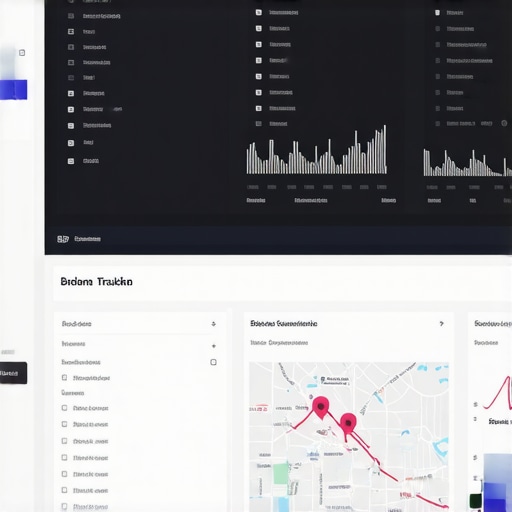
Incorporating these tools and habits will reinforce your visibility and make your local SEO efforts sustainable. For tailored support or to explore customized maps SEO packages that fit your business, don’t hesitate to reach out. Staying ahead in local search isn’t a one-time effort—it’s an ongoing process that pays dividends in increased traffic and conversions over time.
Lessons I Didn’t Expect to Learn About Local SEO in 2026
One of the biggest surprises I encountered was how much the local search landscape can shift overnight, even when following established best practices. It taught me the importance of staying agile and being willing to question long-held assumptions about what works. For example, I once believed that once my business listings were optimized, I could relax—only to realize that algorithm updates could render those efforts obsolete if I didn’t keep pace and innovate continuously.
Another insight was realizing the power of authentic community engagement. Genuine interactions, like responding to reviews or collaborating with local influencers, often outweigh superficial tactics. It became clear that building real relationships in your neighborhood fosters trust and boosts your visibility more sustainably than relying solely on technical tweaks or automation.
Finally, I learned that consistent monitoring isn’t just about tracking rankings—it’s about listening to your audience and adapting your messaging accordingly. The local SEO game is dynamic, and success depends on your ability to interpret subtle signals and respond proactively. Embracing these lessons has transformed my approach, making my strategies more resilient in the face of ever-evolving search algorithms.