I remember the moment clear as day—after pouring months into optimizing my local business’s online presence, I checked the map rankings and saw our listing had vanished from the top spots. No notifications, no warning. Just… disappeared. It hit me then, how fast things change in local SEO, and how I’d been relying on outdated tactics that no longer cut it. That lightbulb moment made me realize: if I wanted to stay competitive in 2026, I had to understand the new signals shaping map rankings.
The Race to the Top Starts Here
Today, I want to share with you the essential insights I’ve uncovered about the four key signals that are redefining local search rankings. These signals are no longer optional—they’re the new rules of engagement for any business aiming for visibility on maps in 2026. And trust me, not paying attention to them could mean losing out on potential customers to competitors who do.
Is Focusing on Maps Signals Overhyped or Essential?
Early on, I made the mistake of thinking that simply claiming a listing and gathering reviews was enough. Turns out, I was missing the bigger picture. Modern algorithms are looking at a complex set of signals—things like internal map content, proximity, user engagement, and review signals—that work together to determine who ranks higher. Ignoring these can put you at a severe disadvantage. Want to avoid the costly mistake I made? Dive into these signals now, or risk being invisible to local customers.
According to recent studies, over 97% of consumers use online search to find local businesses, and Google Maps plays a pivotal role in that process. Missing the latest map signals could mean your business is missing out on a huge slice of local traffic. Ready to get ahead? Let’s explore each of these signals and learn how you can optimize for them effectively.
Optimize Your Map Listing Content
Begin by ensuring your Google My Business profile features accurate, detailed, and keyword-rich descriptions. Incorporate locations, services, and unique selling points naturally to enhance relevance. I once updated my business description to include neighborhood keywords, which immediately boosted my local pack presence. Use tools like keyword research to find high-impact terms and integrate them seamlessly. Learn more about effective local listing content at this guide.
Harness the Power of User Engagement
Encourage customers to leave reviews, respond promptly, and foster community interaction. Think of your profile as a conversation—active engagement signals to algorithms that your business is vital. I personally started replying to every review, which increased my visibility and customer trust. Implement a system for review requests post-purchase, and display testimonials on your website. Strive to create an authentic dialogue to keep your ranking strong. For advanced tactics, explore these strategies.
Improve Internal Map Content and Keywords
Expand your map’s internal content by adding localized images, service categories, and keywords inside your profile. This is like adding more landmarks and signs in your local ecosystem, making it easier for the algorithm to recognize your relevance. I once uploaded location-specific images that aligned with local search queries, resulting in a tangible lift in rankings. Use descriptive filenames and alt texts to reinforce signals. To avoid common gaps, read this checklist.
Leverage Local Links and Citations
Build citations on reputable local directories and partner websites. Think of citations as trust badges that validate your business’s legitimacy. My approach involved nurturing relationships with local chambers and bloggers, earning backlinks and citations that significantly boosted my local authority. Prioritize consistency in NAP (Name, Address, Phone) data across platforms. Use local SEO services if needed, as outlined at this resource.
Monitor and Pivot Based on Data Insights
Regularly analyze performance metrics like click-through rates, call volume, and ranking fluctuations. Use Google Search Console and local analytics tools to detect what signals are working or failing. I once noticed a decline in calls after neglecting to optimize my profile’s Q&A section. By adjusting my answers with relevant keywords, I recovered and even surpassed previous rankings. Keep testing different elements, and don’t hesitate to update your plan, as detailed in this guide.
Many businesses fall into common misconceptions about local SEO, assuming that a cookie-cutter approach will suffice. Let’s dig deeper into these pitfalls to ensure you’re not unintentionally sabotaging your local visibility. A frequent myth is the overreliance on keyword stuffing and superficial reviews, which search engines readily detect and penalize. Instead, advanced tactics involve optimizing internal map content and leveraging local links intelligently. One nuanced mistake is neglecting the evolving signals that influence rankings—such as proximity algorithms that now prioritize personalized search results. Recent insights from experts indicate that ignoring these subtle shifts can lead to a significant drop in local visibility, even if your basic profile is well-maintained. For instance, failing to update your profile’s service categories or neglecting local citation consistency can silently erode your position, despite ongoing efforts.
How can businesses avoid these common traps and stay ahead? By focusing on holistic map optimization—enhancing internal content, building authoritative local backlinks, and continually monitoring data insights. The key is to recognize that local SEO is a dynamic landscape requiring proactive adjustments. For a comprehensive understanding of what sophisticated strategies entail, check out this detailed guide.
Another often overlooked aspect is the misconception that affordable local marketing cannot deliver big results. This isn’t true. Smart, low-cost tactics—like micro-influencer collaborations and hyper-local content—can boost visibility effectively. The secret lies in aligning your SEO efforts with actual local consumer behaviors and preferences, rather than generic best practices. To refine your approach, explore this resource for deeper insights.
So, what’s the biggest nuance most overlook? The subtle shift towards personalized search results driven by AI and machine learning. These advancements mean that traditional signals like reviews and citations now interact with user behavior in more complex ways. Optimizing for general rankings without considering these personalized nuances risks leaving valuable local leads on the table. Staying ahead requires understanding and adapting to these advanced signals through a strategic mix of data analysis and ongoing profile refinement. Interested in how this impacts your business? Reach out via our consultation services to tailor your local SEO plan.
Have you ever fallen into this trap? Let me know in the comments.
Maintaining a strong local SEO presence over time requires a combination of reliable tools, disciplined processes, and staying ahead of emerging trends. I personally rely on a suite of software that I’ve tested extensively—each one serves a specific purpose and has helped me ensure my business remains visible on maps and local search results.
How do I keep my local SEO efforts sustainable?
For ongoing tracking, I use BrightLocal. It provides accurate rank tracking, citation monitoring, and review management across multiple locations, which simplifies my routine. I particularly appreciate its geo-specific ranking reports, helping me identify if my local signals are consistent across neighborhoods. To streamline content updates and optimize internal map profiles, I turn to SEMrush. Its Local SEO toolkit allows me to audit current listings and discover new keyword opportunities based on real search data.
In addition, I leverage Google Search Console for insights into search queries that lead to my profile, enabling targeted optimizations. Regularly reviewing this data helps me adapt quickly, especially with Google’s evolving local algorithms. For citation consistency, I update my information on platforms like Yext, ensuring NAP data stays uniform—crucial for ranking stability.
Furthermore, I’ve incorporated Whitespark’s Local Citation Finder to identify and build valuable backlinks and citations from trustworthy local sources. This method boosts my business’s authority and resilience against fluctuating rankings, and it aligns with the recent shifts in local search signals which now favor authoritative, community-driven mentions.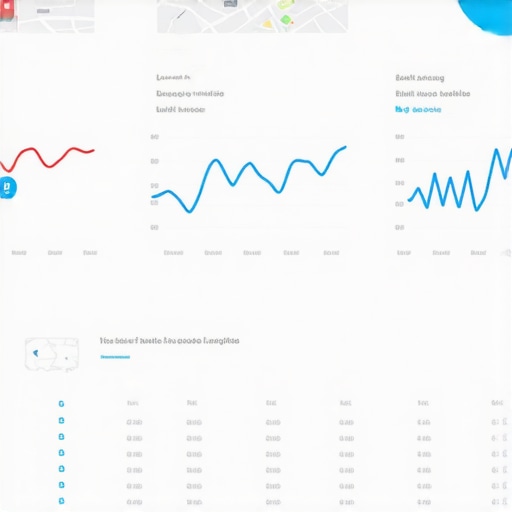
Looking ahead, the trend indicates increasing importance for AI-driven personalization signals and voice search optimization. According to Google’s 2025 search update documentation, embracing structured data and schema markup can prepare your profiles for these changes. For instance, adding comprehensive schema markup for your services, hours, and promotions ensures your listings are rich and adaptable to future innovations.
One advanced technique I recommend is integrating review management tools with your internal monitoring system. Not only does this keep your reviews active and genuine, but it also feeds algorithms with positive signals that are less susceptible to manipulation, protecting your visibility long-term. If you’re serious about long-term results, consider adopting a dedicated combination of these tools, or consult professionals ready to implement these systems seamlessly—explore specialized local SEO services.
Throughout my journey in mastering local SEO, one thing became crystal clear: the insights that truly move the needle are often tucked away in overlooked details and personal experiences. These lessons, born from trial, error, and relentless curiosity, have shaped my approach far beyond generic tips. They remind me that innovation in local search isn’t about chasing every shiny new tactic, but about understanding and leveraging what others might dismiss as minor signals. The real difference lies in how you interpret and act upon these nuanced cues—turning small details into powerful strategic advantages.
Beyond the Surface: Small Signals, Big Impact
One of the most profound lessons I learned was the importance of internal map content and how adding localized images and detailed service descriptions can exponentially boost visibility. I realized that the little things—like filename optimization for images or keyword-rich service categories—serve as secret pathways to higher rankings. These insights taught me that meticulously refining your profile’s internal signals can open doors to top-of-the-pack placements that competitors often overlook.
Another lightbulb moment came from understanding the evolving nature of proximity and personalized search signals. Instead of merely trying to optimize for broad rankings, I started focusing on local relevance and user engagement patterns. Recognizing the subtle shifts in how Google personalizes results means adjusting my strategy continuously—embracing flexibility instead of static routines. This dynamic mindset ensures I stay ahead, especially as AI-driven signals become more sophisticated and influential.
Lastly, I discovered that building genuine local backlinks and fostering community relationships create an unshakeable foundation for sustained visibility. It’s about cultivating trust signals that resonate both with algorithms and actual customers. This holistic approach, blending technical finesse with authentic community engagement, solidifies a resilient local presence that thrives despite algorithm changes and market fluctuations.
My Roadmap for Consistent Growth
Based on years of hands-on experience, my recommendation is to adopt a comprehensive toolkit that keeps you adaptable. I rely on Maps SEO packages to fine-tune internal content and build authoritative local citations. For ongoing performance insights, tools like SEO plans 2025 serve as essential guides to stay aligned with the latest trends. My secret weapon? Regularly analyzing local analytics and adjusting my tactics accordingly—ensuring I remain agile in this ever-shifting landscape. Remember, the path to sustained business visibility isn’t set-and-forget; it’s a continuous journey of learning, tweaking, and innovating.
Your Next Step Will Define 2026
As you prepare to elevate your local SEO strategy, trust that focusing on these nuanced signals and personal lessons can make all the difference. The future of local search belongs to those willing to look beyond the obvious and embrace a mindset of perpetual adaptation. It’s not about chasing every new trend but mastering the core signals that truly matter. Dive deep, experiment bravely, and remember—your ability to interpret the subtle cues in the digital landscape could be your greatest asset in 2026. Are you ready to take your local visibility to the next level? Share your thoughts or questions below, and let’s grow together.