
How we fixed the biggest lead leak in our SEO plans for 2025
It was a moment of quiet horror during a routine client review: our incoming leads had suddenly dried up. Despite pouring time and resources into what we thought was a foolproof SEO plan, the phone wasn’t ringing, and online inquiries were vanishing like smoke. I remember leaning back, frustration creeping in, and then it hit me—we’d overlooked a critical leak in our local SEO pipeline. That realization transformed everything.
Recognizing the Lead Drain Before It Sinks Your Business
In my experience, many local businesses face this silent crisis without even realizing it. The truth is, a solid SEO plan isn’t just about rankings and traffic—it’s about *conversions* and *visibility* where it counts most: right in your local neighborhood. If you’re nodding along, wondering whether your lead flow is just mengalami some seasonal dips or if there’s a deeper issue, you’re not alone. Early mistakes, like neglecting map visibility or not verifying your Google profile, can silently kill your leads.
But don’t worry. Today, I’ll walk you through how we identified and fixed the biggest leak threatening our 2025 SEO outcomes, so you can protect your local business from a similar fate.
Is Local SEO Overhyped or Truly Worth It?
I admit, I once dismissed some quick-fix local SEO tactics as overhyped. I thought, “If I optimize enough, the leads will come.” Turns out, my early approach was missing crucial signals—like local map pack signals—that actually drive real, hot leads. Failing to address these overlooked efforts was a costly mistake I made in the early days—one that any local business aiming for growth in 2025 cannot afford to repeat.
Learning from that, I shifted my focus to foundational local SEO tactics—verifying listings, optimizing maps, and paying attention to proximity signals. These are proven to be the game-changers, especially when competition is fierce and budgets are tight.
If this sounds familiar, and you’re tired of watching your efforts fall flat, then stay with me—as I’ll guide you through the practical steps to plug those leaks and turn your SEO plans into lead-generating machines.
Audit Your Google My Business Listing
Start with a thorough review of your Google profile. Verify that all information—name, address, phone number—is accurate and consistent across platforms. Missing or outdated info is like having a broken signboard; potential customers can’t find you. For a detailed checklist, visit this guide.
Optimize Map Pack Signals
To stand out locally, signals like proximity, relevance, and prominence must align. Enhance your local relevance by adding specific keywords naturally into your profile and website. Increase prominence by garnering reviews and local backlinks. Think of it as building a reputation; the stronger it is, the higher you rank. For comprehensive tactics, see this resource.
Leverage Local Keywords Effectively
Identify keywords your local audience uses. Use tools like Google Keyword Planner or SEMrush to discover high-conversion phrases. Integrate them into your website’s titles, headers, and meta descriptions. Remember, it’s not about stuffing keywords but making your content resonate locally—like speaking the customer’s language. See this guide for detailed keyword strategies.
Enhance Business Listings and Citations
Consistency is king. List your business on local directories such as Yelp, Bing Places, and industry-specific sites. Keep your NAP (Name, Address, Phone) details uniform across all listings. This creates a unified map of your presence, helping search engines trust your business info. Use this checklist to avoid common citation mistakes.
Cultivate Local Reviews and Reputation
Reviews are social proof and a vital ranking factor. Encourage satisfied customers to leave positive feedback on Google and other review platforms. Respond promptly and professionally—this signals engagement and trustworthiness. Think of reviews as your digital word-of-mouth; more quality feedback means more clicks and calls. For tips on managing reputation, check this article.
Implement Structured Data Schema
Structured data helps search engines comprehend your business info more precisely. Use schema markup to highlight your location, hours, services, and staff. Correctly implemented, it can enhance your local snippets with star ratings, pictures, and other rich features, making your listing pop visually. For step-by-step instructions, see this resource.
Monitor and Adjust Regularly
Local SEO isn’t a one-and-done task. Use tools like Google Search Console and BrightLocal to track your rankings, traffic, and reviews. Adjust your strategy based on what the data shows—if a certain keyword underperforms, optimize or replace it. Remember, the local landscape evolves rapidly; staying proactive is essential. Learn more about maintaining your SEO health at this page.
Many local businesses fall prey to the misconception that more aggressive keyword stuffing or superficial map listings suffice for visibility in 2025. However, this oversimplified approach omits the crucial layer of user intent and trust-building signals that modern algorithms prioritize. The myth that affordable local marketing can be effective without understanding nuanced map pack ranking factors often leads to investment in tactics that yield little ROI. For instance, relying solely on keyword-rich descriptions without fostering genuine reviews or backlinks can give a false sense of security, while the true indicators like engagement metrics and local relevance are ignored.
Let me pose a question: How do you determine if your local SEO efforts genuinely resonate with your audience or just appear optimized on the surface? This is where advanced SEO insights come into play. A comprehensive strategy considers signals beyond basic citations; it must incorporate in-depth schema markup, reputation management, and competitive analysis. Neglecting these nuances can leave your business invisible amidst fierce local competition, especially as Google’s algorithms evolve rapidly. According to Moz’s Local Search Ranking Factors Survey, trust signals and community engagement now significantly influence local pack rankings, highlighting the importance of nuanced, user-centric SEO rather than superficial tactics.
It’s also a common trap to believe that maps SEO packages are a one-size-fits-all solution. In reality, each locality and industry has distinct ranking factors, and generic packages often overlook these details. Customized approaches—such as local data enrichment and context-specific content—are imperative for meaningful visibility. To avoid these pitfalls, consider auditing your current map strategies and exploring tailored solutions, like those outlined in this resource.
Ultimately, the key lies in understanding that effective local SEO in 2025 extends beyond quick fixes. It demands an integrated approach that combines technical excellence, reputation building, and deep local relevance. Have you ever fallen into this trap? Let me know in the comments.
Invest in Reliable Tools to Sustain Your Visibility
Maintaining optimal local SEO results over time demands the right equipment and software. Personally, I rely heavily on BrightLocal for its comprehensive local rank tracking and review management features. Unlike generic tools, BrightLocal offers granular insights into your map pack performance and helps identify specific signals affecting your rankings, making it easier to fine-tune your strategies. I also utilize Ahrefs locally-targeted keywords to monitor keyword health and competitor moving targets—this way, I stay ahead of evolving algorithms and consumer trends. Looking ahead, automation and AI-powered analytics will likely become integral for proactive adjustments, allowing businesses to scale their local marketing with less manual effort.
Additionally, consistent review monitoring through tools like ReviewTrackers ensures your reputation remains strong—an essential aspect as Google increasingly values user trust and engagement metrics. To keep your efforts effective, schedule weekly audits of your Google My Business profile and local citations, adjusting your tactics based on real-time data. Remember, static setups won’t cut it in a competitive landscape where algorithm updates can shift local rankings overnight.
How do I maintain my local SEO results over time?
Focus on a combination of routine audits, performance tracking, and iterative improvements. Incorporate tools like Whitespark for citation consistency, and always integrate structured data markup to enhance your local snippets. As Google continues refining its local algorithms, staying proactive with these practices becomes essential. Regularly review your backlinks and citation profiles to prevent NAP inconsistencies that can harm your rankings. Also, grow your community engagement by encouraging reviews and participating in local events—these signals boost your relevance and prominence in the local map pack.
For a deeper dive into sustainable local SEO practices, I recommend exploring this resource. Remember, the key to long-term visibility is combining technical maintenance with genuine community presence. Don’t wait for rankings to drop—start applying these tools and strategies today.
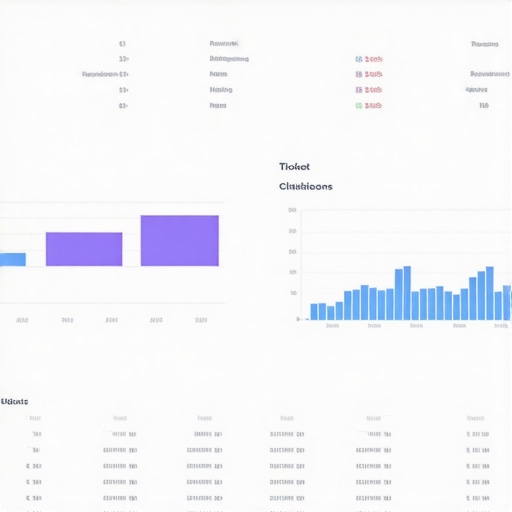
Image idea: a screenshot of a local SEO dashboard highlighting performance metrics, with alt text: ‘Local SEO performance dashboard showing rankings, reviews, and citations.’ Title: ‘Effective Tools for Sustaining Local SEO Success in 2025.’
What I Wish I Knew About Local SEO Before It Cost Me
One of the toughest lessons I learned was that superficial tactics won’t cut it in 2025. Relying solely on keyword stuffing or listing on random directories created a false sense of security. Deep down, I realized that genuine engagement like reviews and community involvement truly moved the needle, and ignoring these nuances kept my business invisible.
Another insight was the importance of adaptability. SEO isn’t static; fluctuations in Google’s algorithms mean I had to stay alert and adjust my mappings, schema markups, and content strategies to maintain visibility, especially in competitive local markets.
Lastly, I underestimated the power of data. Tools like BrightLocal and Ahrefs became game changers in tracking progress and uncovering new opportunities. Without consistent monitoring, even the best strategies can fall flat, so embracing analytics became a core part of my approach.
My Select Favorite Resources for Mastering Local Search
- BrightLocal: For comprehensive local rank tracking and review management—I’ve trusted it to keep my finger on the pulse of local visibility.
- SEMrush: Its local keyword research features are invaluable. It helps me identify phrases my audience actually searches for, keeping my content fresh and relevant.
- Google’s Structured Data Markup Helper: Implementing schema markup effectively changed how my local listings appeared, boosting click-through rates significantly.
- This guide: An all-in-one resource that demystified the latest local SEO strategies tailored for 2025 and beyond.
Let’s Make Your Business Visible—Are You Ready?
Taking control of your local SEO is the most empowering step you can take in 2025. It’s not just about rankings; it’s about connecting with your community and turning local searches into loyal customers. Start applying these lessons today, and watch your business thrive amidst the competition.
What’s the biggest challenge you’ve faced in local SEO, and how are you planning to overcome it? Share your thoughts and questions below — I’d love to hear your story!