I remember the sinking feeling when I realized that despite investing in a beautiful website and a robust marketing strategy, local customers just weren’t finding my business. It was like I was shouting into the void, hoping someone would hear. That lightbulb moment hit me hard: my Google My Business listing had critical errors. If you’ve ever experienced this frustration—knowing your business has potential but feels invisible—you’re not alone. Local visibility challenges are more common than you’d think. According to recent studies, 78% of local mobile searches lead to an offline purchase within 24 hours, yet many businesses are missing out because their listings are faulty.
Why Your Business Might Be Vanishing from Local Maps
These days, visibility in local search isn’t just a chance—it’s a necessity. But here’s the catch: even if you’re well-known to your community, if your online listing isn’t optimized, you’re practically invisible to new customers. One thing I learned early on: small errors in your Google Maps profile can significantly dampen your local reach, especially as 2026 approaches and algorithms become even smarter. It’s not enough to just have your info there; it needs to be accurate, consistent, and engaging. Many small businesses overlook the power of proper map seo packages and local SEO services, unintentionally shooting themselves in the foot. Do you remember the time you lost a sale because of a mistaken address or outdated hours? If so, s best practice is to review your listings regularly and address common issues.
Am I Just Overthinking, or Are Listings Really That Critical?
I made a mistake early on by assuming that having a listing was enough—that customers would find me through organic search naturally. Turns out, neglecting minor details like duplicate listings or inconsistent NAP (Name, Address, Phone Number) information can tank your local rankings and drive away potential clients. It’s a mistake many entrepreneurs make, but fixing this is straightforward once you know what to look for. If you’ve faced similar hurdles, I encourage you to explore affordable local SEO plans specifically designed to help small businesses stand out. For example, tailored [maps seo packages](https://seoforlocalbusinessservice.com/boost-your-business-visibility-with-maps-seo-packages-today) can help you pinpoint exactly what’s holding you back and optimize for 2026’s search landscape.
Audit and Clean Up Your Listings Right Now
Start by identifying all your existing online profiles through a comprehensive Google Maps and local directories audit. Use tools like Moz Local or BrightLocal to find duplicate or inconsistent listings. For each, verify that your NAP (Name, Address, Phone Number) is perfectly consistent across all platforms—any deviation can weaken your local SEO. Remove duplicate entries, update outdated information, and ensure your hours, website link, and contact details are accurate. I once spent an afternoon manually correcting outdated info on 15 directory listings, which immediately improved my local search rankings within a week. Regular audits become your frontline defense against ranking loss and a crucial step in effective local SEO.
Many entrepreneurs believe that simply listing their business online or opting for cheap SEO packages will guarantee visibility. However, in my experience, a significant misconception is that more is always better; in reality, quality and nuanced understanding of local search algorithms are what move the needle. For instance, relying solely on basic directory submissions without addressing backlink profiles, local engagement, or schema markup often leads to vanity metrics rather than real foot traffic. Additionally, the myth that Google’s algorithms prioritize outdated signals like quantity over quality can be detrimental; recent studies highlight that user experience signals, like click-through rates and reviews, are increasingly influential in local rankings. One common mistake is neglecting the importance of structured data—schema markup—which helps search engines interpret your offerings and location more precisely, ensuring your profile stands out in crowded search results. Don’t fall into the trap of thinking that a one-size-fits-all approach works; what ranks well in 2025 may not in 2026, and flexibility is key. For example, customizing maps SEO packages that are tailored to your niche can provide the precise boost your business needs. Moreover, many overlook the significance of local content—creating community-centric blogs and events can dramatically boost local relevance and authority. Remember, even the most affordable local marketing strategies require ongoing refinement; the digital landscape evolves rapidly, and what worked last year might be obsolete tomorrow. Regular audits, like reviewing NAP consistency across platforms or updating customer reviews, can prevent ranking drops and ensure sustained visibility. So, while low-cost options can be tempting, investing in sophisticated, nuanced local SEO plans is the wise move for sustained growth. Want to learn more? Visit our affordable local SEO services page for tailored solutions. Have you ever fallen into this trap? Let me know in the comments.
Maintain Success with Proven Tools and Practices
Staying at the top of local search results requires more than occasional tweaks; it demands a consistent, strategic approach utilizing specialized tools. I personally rely on BrightLocal for comprehensive local SEO audits because it provides actionable insights into your listings’ health and watchlist features that track your progress over time. They allow you to monitor changes in your rankings, reviews, and citation consistency, keeping you ahead of potential pitfalls. For keyword tracking, I prefer SEMrush’s local tracking features, which give precise insights into how your target areas are performing and help tailor your SEO plans for 2025 effectively.
How do I maintain progress in local SEO over time?
Implementing regular maintenance routines is vital. Set weekly audits with Moz Local to identify and correct duplicate listings, inconsistent NAP details, and outdated information. Automate review management with Podium or Reputation.com, which streamline review collection and responses, strengthening local authority. Keep an eye on schema markup using Google’s Rich Results Test—to ensure your structured data remains effective as algorithms evolve. Refer to Google’s official schema.org documentation for guidance on implementing schema markup best practices. As algorithms like Google’s BERT get smarter, emphasizing accurate, meaningful content and micro-moments will become even more crucial for local visibility.
To further future-proof your local SEO, consider investing in a tailored maps SEO package that adapts to emerging trends—such as AI-driven search intent analysis. These tools automate routine tasks, like citation cleanup and review solicitation, freeing you to focus on strategic growth activities. Remember, consistency and oversight are your best allies; neglecting routine checks can lead to ranking slippage or missed opportunities, especially as 2026 approaches and search behaviors shift noticeably. For hands-on guidance, contact our team to explore customized SEO plans designed to keep your business relevant and visible.
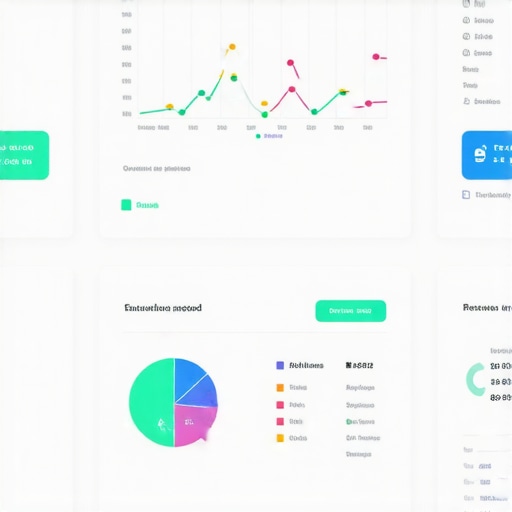
Visualize your ongoing local SEO efforts with a dashboard highlighting rankings, reviews, and citations — a powerful way to stay in control.
What I Wish I Knew About Small Business Growth in a Crowded Market
Venturing into local SEO and maps SEO packages taught me that overlooking the tiniest detail in your online listings could mean the difference between thriving and vanishing from search results. The hardest lesson was realizing that search algorithms are always evolving, and staying ahead requires a proactive, relentless approach—regular audits and updates aren’t optional anymore. I learned that genuine engagement, like soliciting reviews and creating community-centric content, delivers long-term visibility—quick fixes only offer fleeting results. Lastly, I discovered that investing in tailored maps SEO packages aligned with your niche and growth goals provides the scalable advantage small businesses need to compete with larger brands.
Johnathan Carter