Ever spent hours trying to get your business to show up on Google Maps, only to be met with frustration or worse — silence? I’ve been there. I remember launching a local bakery and thinking that just having a decent website was enough. When customers weren’t flooding in from local searches, I realized I was missing a huge piece of the puzzle. That moment of clarity hit hard: if I wanted to thrive locally in 2025, I needed to get serious about Maps SEO. And trust me, it’s not just a buzzword. Properly optimized Maps SEO packages can be a game-changer for small businesses trying to stand out in a crowded market.
Why Maps SEO Matters More Than Ever in 2025
The world has gone hyper-local, especially with the rise of mobile searches. Recent studies show that 78% of local mobile searches result in an offline purchase within 24 hours (source). That’s huge. If your business isn’t appearing at the top of Google Maps or local search results, you’re leaving money on the table. But here’s where most small business owners stumble: they think Maps SEO is just about adding a few keywords or listing their address. Nope. It’s a strategic, ongoing process that combines local citations, reviews, and tailored content. Early on, I made the mistake of treating it as a quick fix, which only delayed my growth. Now, I know better.
Is Maps SEO Actually Worth the Hype?
Absolutely. I’ve seen businesses double their foot traffic after investing in targeted Maps SEO strategies. It’s about making your business visible where it counts — in front of people actively looking for your services. If you’re skeptical, ask yourself: How many potential customers are passing by your shop right now without a clue you exist? That’s the reality for many small businesses. The good news? With the right Maps SEO packages, you can turn that visibility into real customers. Ready to learn how to do it right? Let’s dive into the practical steps to harness the full power of local SEO for your business growth in 2025.
Claim Your Spot on Google Maps
Start by claiming your business listing on Google My Business (GMB). Ensure all details are accurate, including your name, address, phone number, and website. This foundational step boosts your credibility and makes it easier for customers to find you. I once overlooked this step, thinking a simple listing was enough. When I finally claimed and optimized my GMB profile, my local visibility shot up within weeks. Don’t forget to verify your listing, as unverified profiles are often less trusted and less visible.
Optimize Your Business Information
Fill out every section of your GMB profile thoroughly. Use relevant keywords naturally in your business description, services, and posts. Think about what your ideal customer searches for — e.g., “best vegan bakery in downtown”. I experimented with different descriptions and tracked which keywords improved my ranking. Over time, I discovered that detailed, keyword-rich descriptions attract more local traffic. For enhanced visibility, also include high-quality images of your location, products, and team. 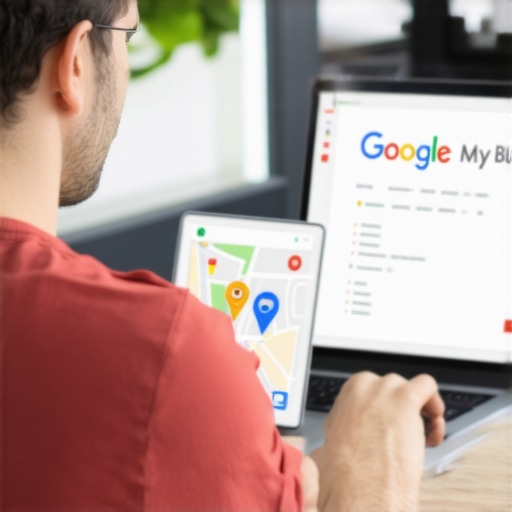
Build Local Citations and Consistent NAP Data
Ensure your Name, Address, and Phone number (NAP) are consistent across all online directories. This builds trust with Google and enhances your local ranking. Submit your business info to local directories, Yelp, Bing Places, and industry-specific listings. When I started auditing my citations for consistency, I found mismatched info on some sites. Correcting these inconsistencies led to a noticeable boost in local search rankings. Use tools or services that help manage citations for efficiency.
Gather and Manage Reviews Actively
Encourage satisfied customers to leave reviews on your GMB profile. Respond promptly and politely to all reviews, especially negative ones, to demonstrate engagement and professionalism. I implemented a simple follow-up email requesting reviews and saw my review count increase significantly. More reviews improve your business’s credibility and influence local rankings. Remember, authentic reviews are gold — avoid fake reviews as they can harm your reputation.
Leverage Local Content and Posts
Regularly publish posts about offers, events, or news related to your business. Use local keywords and include calls to action. Think of it as a digital storefront window that updates frequently to entice passersby. I started posting weekly updates, which increased my visibility and customer engagement. This ongoing activity signals to Google that your business is active and relevant.
Monitor and Refine Your Strategy
Use insights from GMB and Google Analytics to track performance. Notice which keywords or posts generate the most traffic and refine your approach accordingly. Keep an eye on local rankings and adjust your keywords, photos, or reviews strategies to stay ahead. I learned that seasonal promotions and local events also boost visibility when incorporated into my Maps SEO plan.
Implementing these core steps has transformed my local marketing approach, helping my business stand out in 2025. Consistency, authenticity, and ongoing optimization are your best tools in conquering local search rankings.
Many small business owners believe that simply optimizing their Google My Business profile and gathering reviews is enough to dominate local search results. But in my experience, this is a dangerous oversimplification that can lead to costly mistakes. The real nuance lies in understanding how Google’s local algorithm works behind the scenes and what factors truly influence your visibility.
One common myth is that keyword stuffing in your business description or reviews will catapult you to the top. In reality, Google penalizes over-optimized content, favoring authentic, user-focused information. Overloading your profile with keywords can even harm your ranking over time. Instead, focus on creating valuable, relevant content that naturally incorporates local keywords. This is a subtle but powerful way to boost your visibility without risking penalties.
Another mistake I see frequently is neglecting the importance of local backlinks. Many businesses overlook the value of earning backlinks from reputable local websites, newspapers, or industry directories. These backlinks act as signals of authority to Google, helping your business climb higher in local search results. Building relationships with local influencers and community organizations can be an effective strategy, but it’s often underutilized.
Why do some businesses rank higher despite having fewer reviews?
This question highlights a critical advanced factor: Google’s focus on relevance and authority over simple review counts. A business with fewer, but more relevant and high-quality reviews, combined with strong local citations and backlinks, can outperform competitors with hundreds of superficial reviews. Google also considers user engagement metrics like click-through rate and proximity, which can outweigh review quantity if your overall profile signals authority and relevance. For a detailed guide on optimizing these nuanced factors, check out this comprehensive resource.
Finally, beware of the trap of inconsistent NAP data across directories. Even minor discrepancies can confuse Google and dilute your local authority. Regularly auditing your citations and ensuring uniformity is essential to maintaining a strong local presence. Automating this process can save time and prevent costly oversights. For tailored strategies on citation management, consider exploring dedicated Maps SEO packages.
In summary, the real advanced secret to Maps SEO success isn’t just about piling on reviews or keywords. It’s about understanding and leveraging the complex interplay of relevance, authority, and consistency. Have you ever fallen into this trap? Let me know in the comments.
Maintaining your Maps SEO progress requires more than just initial setup; it’s about leveraging the right tools and adopting consistent strategies to ensure your local visibility stays sharp over time. In my experience, the best approach combines automation, regular audits, and strategic updates to adapt to changing algorithms and local market dynamics.
How do I keep my Maps SEO results working for me?
First, invest in reliable citation management tools like Moz Local or BrightLocal. These platforms automatically scan your online presence, identify inconsistencies in NAP data, and help you correct errors swiftly. I personally rely on BrightLocal because its dashboard gives me a clear picture of citation health, saving countless hours of manual audits. Regular citation audits are critical, as even a small discrepancy can harm your rankings. Set a quarterly reminder to review and update your listings across key directories.
Second, monitor your reviews and customer feedback diligently. Use reputation management tools such as ReviewTrackers or Podium to streamline review collection and responses. Engaging with reviews not only boosts your local authority but also signals to Google that your business is active and customer-focused. Respond to reviews promptly—this habitual engagement keeps your profile lively and relevant.
Third, leverage Google My Business insights regularly. The platform provides valuable data on how customers find your listing, what actions they take, and which keywords drive traffic. Use these insights to refine your content, update photos, and tweak your local keywords. For example, if you notice many visitors come from a particular neighborhood, emphasize that area in your posts and descriptions.
Finally, stay ahead by keeping your website and GMB profile aligned with current SEO best practices. This includes updating your local content, optimizing for mobile, and ensuring fast page load times. For a comprehensive, step-by-step plan, consider reviewing this definitive guide.
Image placeholder
To future-proof your Maps SEO efforts, I recommend integrating ongoing audits with automation tools. For instance, setting up Google Alerts for your business name and keywords can help catch any mention discrepancies early. Additionally, periodically reviewing your backlink profile through tools like Ahrefs or SEMrush can reveal new opportunities for local backlinks, boosting your authority.
Remember, the landscape of local SEO is ever-changing. As Google continues to refine its algorithms, staying adaptable and proactive is your best bet for sustained success. Try implementing a citation audit every quarter and see how much more consistent your local rankings become. Want to dive deeper into advanced strategies? Check out this tailored Maps SEO package for ongoing support.
The Hardest Lesson I Learned About Maps SEO Strategy
Early on, I believed that simply having my business listed on Google Maps was enough. It wasn’t until I ignored ongoing optimization that I realized how quickly competitors outpaced me. Consistent updates and engagement are crucial, but I used to think it was a one-and-done effort. Now I know that Maps SEO is an ongoing journey of refinement, requiring attention to local citations, reviews, and content—every single month.
Why Relying on Reviews Alone Can Be a Trap
I used to think that amassing hundreds of reviews would automatically propel my business to the top. The truth? Quality over quantity matters more. I discovered that high-quality, relevant reviews from engaged customers carry more weight than just sheer numbers. Additionally, responding authentically to reviews builds trust and boosts your local rankings. Don’t fall for the review quantity myth—focus on genuine engagement instead.
My Biggest Realization About Local Backlinks
Building backlinks from local reputable sites was a game-changer. I used to overlook this, thinking citations alone would suffice. When I started actively earning backlinks from community blogs, local news outlets, and industry partners, my visibility skyrocketed. Google views these backlinks as votes of confidence, so nurturing local relationships can significantly elevate your Maps SEO performance.
How I Learned to Balance Optimization and Authenticity
Initially, I overstuffed keywords in my profile, trying to game the algorithm. It backfired, and my rankings suffered. The lightbulb moment? Google favors genuine, user-focused content. Now, I incorporate keywords naturally into engaging descriptions, and I see better results. Authenticity builds trust with customers and aligns with Google’s evolving algorithms—never underestimate the power of real, relevant content.
Curated Resources That Transformed My Approach
- BrightLocal: I trust it for citation audits and local SEO tracking because it simplifies complex data into actionable insights.
- SEMrush Local SEO Toolkit: For competitor analysis and backlink monitoring, this tool keeps me ahead of the curve.
- Google My Business Insights: The real-time data helps refine my strategy based on customer behavior and search trends.
- Mastering SEO Plans in 2025: This comprehensive guide offers deep dives into advanced local SEO tactics, making it a must-read for serious business owners.
Step into Your Maps SEO Power Today
Remember, the world of local search is always changing, but you have the tools and knowledge to stay ahead. Consistent effort, strategic planning, and a focus on authenticity will set you apart in 2025 and beyond. Don’t wait—start refining your Maps SEO now and watch your local visibility soar.
What’s the biggest challenge you’ve faced with local SEO? Share your experience below—I’d love to hear your story!