It was a chilly morning when I realized I had been blindly throwing money at local marketing efforts that simply weren’t cutting through the noise anymore. Despite my best intentions, my visibility on maps and local search results remained stubbornly low. That moment of frustration? That was my lightbulb moment. I understood that without a tailored Maps SEO strategy, my business was invisible to the people who needed me most.
Why Local SEO Matters More Than Ever
In 2025, the digital landscape has become more crowded than ever. Consumers are turning to local search faster than they blink, seeking immediate solutions in their neighborhood or town. According to Statista, 78% of local mobile searches lead to an offline purchase, emphasizing the critical role of visibility on maps and local searches. For businesses, missing out on Maps SEO means losing a significant chunk of potential clients daily. The good news? With the right packages and strategies, you can position yourself front and center in local results, ensuring your business stands out where it counts.
Is Maps SEO Really Worth the Hype?
Honestly, I was skeptical at first. I remember making the mistake of assuming that basic listings would suffice. But after investing in targeted local SEO services, I saw firsthand how strategic optimization increased my foot traffic and sales. If you’ve ever wondered whether all the hype around Maps SEO is justified, ask yourself: Am I truly capitalizing on local search opportunities, or am I leaving money on the table? The answer can make all the difference.
If you’ve faced these frustrations or doubts, you’re not alone. Many small business owners have discovered that a well-crafted Maps SEO package can be the turning point for growth and visibility. Curious about leveling up your local online presence? Let’s explore how you can do it effectively with actionable strategies designed for 2025 and beyond. For more insights, check out this comprehensive guide.
Set Clear Local SEO Goals and Priorities
Begin by defining what success looks like for your local visibility. Are you aiming to increase foot traffic, boost online inquiries, or improve your rankings for specific local keywords? Clear goals guide your entire strategy, much like a map directs a traveler. I remember when I started, I listed out the top three local keywords for my area and set measurable targets to track progress. Without goals, your efforts become aimless, wasting resources. Determine your key performance indicators and ensure they align with your overall business objectives.
Identify Your Local Audience and Their Search Habits
Use tools like Google Trends and local survey data to understand what your community searches for. This step is akin to a chef tasting ingredients before cooking—knowing your audience’s preferences ensures your SEO efforts hit the mark. For my bakery, I discovered that many local customers searched for “gluten-free desserts” nearby. Incorporate these keywords naturally into your business listings and content, increasing your chances of appearing at the right moment. Effective targeting begins with precise understanding of your local customers’ queries.
Optimize Your Google My Business Listing
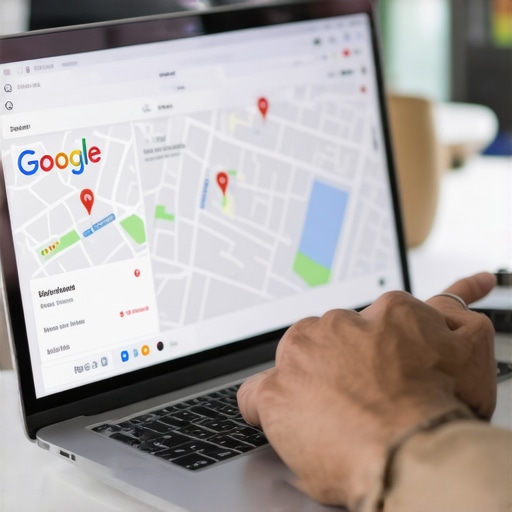
Think of your GMB profile as your storefront window—it’s the first thing potential customers see. Ensure all information is accurate and complete, including your name, address, phone number, hours, and categories. Use consistent NAP (Name, Address, Phone) data across all online platforms. Add high-quality photos that showcase your offerings and atmosphere. I experimented with daily photo updates, which significantly increased user engagement. Regularly updating your profile keeps your business fresh in Google’s algorithm, enhancing your local ranking. Don’t forget to encourage satisfied customers to leave positive reviews, acting as social proof that boosts your visibility.
Leverage Local Keywords in Content and Listings
Embedding relevant local keywords into your website, blog posts, and service descriptions helps search engines associate your business with local intent. Use tools like SEMrush or Ahrefs to find high-volume local keywords. For example, instead of just targeting “coffee shop,” optimize for “best coffee shop near downtown.” When I updated my website, integrating these keywords into headings and meta descriptions resulted in a noticeable spike in local inquiries. Be precise and avoid keyword stuffing, focusing on natural placement that benefits readability and SEO.
Build Local Citations and Backlinks
Local citations—mentions of your business on other reputable sites—are trust signals for search engines. Get listed in local directories, chamber of commerce websites, and industry-specific platforms. Prioritize high-authority sources like specialized Maps SEO packages that focus on local visibility. I reached out to local bloggers and community sites, offering collaborations. Securing backlinks from these sources boosted my local rankings and referral traffic. Remember, quality matters more than quantity. Consistent NAP data across citations solidifies your business’s online presence, making it easier for customers and search engines to find you.While many believe that implementing a standard SEO plan guarantees success, this assumption overlooks crucial nuances that can make or break your local search visibility in 2025. One widespread misconception is that ‘more keywords mean better rankings.’ In reality, keyword stuffing can trigger penalties, and modern algorithms prioritize user intent and experience over raw keyword density. Additionally, many overlook the importance of local citations consistency; mismatched NAP data across platforms severely hampers local SEO efforts, despite being a simple fix. An often-ignored aspect is the significance of user engagement signals—such as reviews and click-through rates—which are now weighted heavily by Google. Relying solely on automation tools without human oversight can lead to inaccurate listings and a loss of trust. Moreover, some assume that low-cost local marketing packages lack depth; however, with strategic planning, affordable local SEO services can deliver targeted, high-impact results if they incorporate advanced practices like schema markup, localized content, and backlink quality over quantity. An advanced tip for seasoned marketers is to analyze competitor strategies meticulously. Tools like SEMrush reveal gaps your competitors haven’t exploited, which offers a strategic edge. Remember, the landscape is shifting rapidly, and static or outdated tactics are a quick route to obsolescence. Myth-busting aside, staying ahead requires not just implementing standard procedures but understanding intricate algorithm updates and user behavior patterns. To dive deeper, check out this comprehensive guide. Don’t fall for shortcuts that seem appealing but lack sustainability—your business visibility depends on it. Have you ever fallen into this trap? Let me know in the comments.
Essential Tools for Long-Term Local SEO Success
Maintaining an effective local SEO presence requires more than just initial setup; it demands consistent monitoring, updates, and strategic adjustments. Personally, I rely on a combination of specialized tools to keep my campaigns on track. For instance, BrightLocal has become an indispensable platform, offering comprehensive citation management, review tracking, and local rank tracking tailored for SMBs. Its user-friendly dashboard allows me to quickly identify discrepancies in NAP data across directories and rectify them efficiently, ensuring my local listings stay authoritative.
In addition, SEMrush provides granular insights into local keyword performance and competitor strategies. I frequently use its Position Tracking tool to monitor my rankings for targeted keywords and catch any unexpected drops early. This proactive approach enables me to implement quick fixes, like content adjustments or backlink outreach, before my rankings slip significantly.
How do I maintain consistent visibility over time?
Automation can streamline routine tasks, but human oversight remains vital. Regularly auditing your local citations, responding to reviews, and updating your GMB profile with fresh images (which I’ve found greatly boosts engagement) are practices I swear by. For example, scheduling bi-weekly reviews of your listing data ensures accuracy and prevents mismatches that hinder local SEO.
Furthermore, leveraging schema markup—specifically local business schema—enhances your visibility in rich results. I used Google’s official documentation to implement this properly, resulting in improved click-through rates. Incorporating such technical enhancements is crucial as Google continues to refine how local results are displayed, making advanced schema more relevant than ever.
Future of Local SEO: Staying Ahead
Looking ahead, AI-driven tools and machine learning algorithms are poised to further personalize and refine local search results. A recent report from Moz emphasizes the growing importance of semantic search and user intent analysis in local rankings. Staying ahead involves adopting these cutting-edge techniques—like integrating AI-based review generation tools or semantic keyword mapping—alongside traditional tactics.
One practical tip? Start experimenting with integrating advanced schema markup and automated review solicitation tools. This dual approach ensures your listings are both technically optimized and actively engaged by your customers. If you’re serious about scaling your local visibility efficiently, I highly recommend trying out these methods today. For comprehensive guidance and tailored strategies, check out this detailed resource.
Less Obvious Secrets That Boosted My Local Visibility
One of the biggest revelations I had was realizing that technical issues like inconsistent NAP data could silently sabotage my rankings, even when my content was top-notch. Fixing these overlooked details resulted in a swift climb in local search results. Another lightbulb moment was understanding the power of community engagement—encouraging genuine reviews and local collaborations transformed passive listings into active, trust-building assets. Lastly, I discovered that SEO isn’t a set-it-and-forget-it process; continuous adaptation to algorithm changes and user behavior kept my business ahead of competitors, proving that persistence often outperforms shortcuts.
My Go-To Tools That Keep My Local SEO Sharp
I swear by Maps SEO packages that are tailored for maximum local impact. BrightLocal has been invaluable for citation management and reviews, giving me a clear view of my local presence. I also rely on affordable local marketing strategies that focus on audience-specific keywords and local intent. These tools, combined with my daily data audits, ensure I stay competitive and relevant in a fast-changing landscape.
Shared Wisdom to Inspire Your Next Move
Remember, thriving in local SEO requires more than just the basics; it’s about mastering the nuances that truly make your business stand out. Be proactive: continuously optimize your Google My Business, foster community trust through reviews, and leverage advanced schema markup to appear in rich snippets. My advice? Keep experimenting with strategies like localized content and backlink outreach, and don’t shy away from investing in tailored packages that match your goals. With persistence and the right tools, your business can achieve remarkable visibility in 2025 and beyond.