My Journey into Maps SEO: A Personal Tale of Discovery
When I first started exploring how to boost my local business online, I felt overwhelmed by the sheer number of strategies and packages available. I remember a time when I underestimated the power of local SEO, thinking it was just about keywords. However, after implementing targeted Maps SEO packages, I saw my visibility skyrocket. It was a game-changer, especially in 2025, when local search dominates the digital landscape. This article shares my personal insights into the most effective Maps SEO strategies that can help small businesses thrive this year.
Why Local Maps SEO is the Secret Sauce for Small Business Growth
Over the years, I’ve learned that local SEO, especially through Google Maps optimization, is one of the most cost-effective ways to attract nearby customers. When I optimized my Google My Business profile and invested in comprehensive Maps SEO packages, I noticed an immediate increase in foot traffic and inquiries. According to industry leaders, local search is responsible for over 78% of mobile local searches, highlighting its importance for small businesses aiming for growth in 2025.
What Makes the Best Maps SEO Packages Stand Out?
From my experience, the most effective packages offer a blend of on-page optimization, citation building, and review management. I chose a package that provided tailored strategies for my niche, which proved crucial. These packages often include keyword research focused on local intent, such as “best pizza near me” or “affordable plumbing services.” I learned that investing in these comprehensive solutions is more sustainable than DIY efforts, especially when trying to compete with bigger brands.
How Can Small Businesses Leverage Maps SEO Strategies Effectively?
Implementing strategies like consistent NAP (Name, Address, Phone Number) citations, encouraging satisfied customers to leave reviews, and posting regularly on Google My Business can significantly boost rankings. I personally found that actively engaging with reviews and updating my profile weekly kept my listing fresh and relevant. Additionally, integrating local keywords naturally into my website content helped reinforce my visibility in local searches.
Is It Time to Invest in Customized Maps SEO Packages?
Why are personalized strategies crucial for competitive edge?
In my opinion, generic packages often fall short because every small business has unique needs. For instance, I tailored my SEO efforts around my specific location and customer base, which made a noticeable difference. Custom packages from local SEO experts can analyze your competition and craft strategies that target your ideal customers more precisely. For further reading, I recommend visiting this guide.
If you’re serious about growing your local presence in 2025, I encourage you to explore tailored Maps SEO packages that align with your business goals. Feel free to share your experiences or ask questions in the comments below—I’d love to hear how you’re leveraging local SEO!
Unlocking the Power of Local Maps SEO: Strategies for the Modern Business
As the digital landscape continues to evolve, local Maps SEO has become a cornerstone for small and medium-sized enterprises aiming to attract nearby customers. Leveraging advanced optimization techniques can significantly enhance your visibility on Google Maps and local search results. In this article, I’ll share nuanced insights into how to refine your Maps SEO approach in 2025, ensuring you stay ahead in the competitive local market.
How Can Data-Driven Local SEO Optimization Transform Your Business?
Utilizing analytics and local search data enables businesses to identify high-traffic keywords, optimize their Google My Business (GMB) profiles effectively, and tailor their content to meet local demand. For example, integrating keywords like “eco-friendly landscaping in Brooklyn” or “24/7 locksmith services near me” directly into your profile and website can dramatically improve your local ranking. According to Search Engine Land, data-driven strategies are instrumental in achieving sustainable growth and increased foot traffic (source).
What Are the Common Pitfalls in Maps SEO and How to Avoid Them?
One common mistake is neglecting the consistency of NAP (Name, Address, Phone Number) citations across all online directories. Discrepancies here can hurt your local search rankings. Additionally, ignoring customer reviews or failing to respond to them can diminish your credibility and visibility. Regularly updating your GMB profile with fresh photos, posts, and localized content keeps your listing relevant and engaging. For a comprehensive guide on maintaining an effective local SEO profile, visit this resource.
How Can Businesses Leverage Local Maps SEO to Outperform Competitors?
Beyond basic optimization, advanced techniques like geo-targeted ad campaigns, hyper-local content, and leveraging customer-generated content (reviews, photos, Q&A) can set your business apart. Investing in tailored maps SEO packages that analyze competitors’ strategies offers a strategic advantage. For instance, a local bakery might create neighborhood-specific blog posts or offer special discounts for nearby residents, boosting both local relevance and engagement. Curious about how to implement such strategies? Explore this guide for actionable insights.

Is Your Business Ready for an SEO Overhaul? Key Questions from an Expert
Are you tracking the right metrics to evaluate your local SEO efforts? Have you optimized your Google My Business profile for voice search? Are you actively engaging with your local community online? These questions are vital for refining your Maps SEO strategy. A comprehensive, ongoing approach ensures your business remains visible and relevant in an increasingly competitive local environment. For those seeking expert assistance, exploring affordable local marketing strategies for 2025 can offer scalable solutions that align with your growth objectives (more information here).
Personal Reflections on Navigating the Complexities of Maps SEO
Over the years, my journey into Maps SEO has been anything but linear. It’s a constantly evolving landscape that demands not only technical expertise but also a deep understanding of local communities and consumer behavior. One of the most rewarding moments was when I realized that behind every optimized listing lies a story—your customers’ stories—that you can harness through reviews, photos, and localized content. This realization pushed me to think beyond basic tactics and embrace a more nuanced approach that integrates data analytics, behavioral psychology, and genuine community engagement.
Why Deep Local Insights Are Crucial in 2025
In 2025, the importance of local insights has skyrocketed. Tools like Google’s local search data and third-party analytics platforms allow me to identify not just high-volume keywords but also emerging niches within my community. For example, I discovered that specific neighborhood events or local holidays could be leveraged to boost visibility temporarily but significantly. This approach is rooted in understanding the local zeitgeist, which is more dynamic than ever. According to a recent report by Search Engine Land, businesses that tailor their local SEO strategies based on real-time data outperform their competitors by a wide margin.
How Do You Balance Automation with Authenticity?
Is relying on automated tools risking the loss of genuine local engagement?
This is a question I wrestle with frequently. Automated tools for citation management, review monitoring, and content posting are invaluable for efficiency, but over-reliance can make your presence seem robotic. I’ve found that the key is to use automation as a foundation, then layer in personal touches—responding to reviews with authentic messages, sharing real stories or photos, and engaging in local community forums. These authentic interactions foster trust and loyalty. For instance, I once responded to a negative review with a personalized apology and a promise to improve, which not only turned the review around but also built community goodwill. For those interested in effective tools, exploring tailored Maps SEO packages can help strike this balance efficiently.
What Are the Most Overlooked Opportunities in Local SEO Today?
One often overlooked area is leveraging user-generated content beyond reviews—think photos, Q&A sections, and local blog collaborations. These elements create a richer, more engaging profile that signals relevance to search engines. I’ve experimented with encouraging customers to share photos of their visits, which not only adds fresh content but also fosters a sense of community. Additionally, hyper-local content such as neighborhood guides or local event sponsorships can dramatically boost your visibility. These strategies require a deeper dive into local analytics, but the payoff is substantial. For insights into how to implement these tactics, I recommend visiting this resource.
How Can You Ensure Your Local SEO Strategy Remains Agile?
The digital landscape shifts rapidly, and what worked yesterday might not work tomorrow. For me, staying agile means continuous learning—attending webinars, following industry leaders, and testing new tactics on a small scale before full deployment. It also involves listening closely to customer feedback and monitoring local search trends. For example, I recently adjusted my Google My Business posts to highlight new COVID-19 safety measures, which resonated well with local customers and improved engagement. If you’re serious about staying ahead, exploring affordable local marketing strategies can provide scalable ways to adapt quickly without breaking the bank.
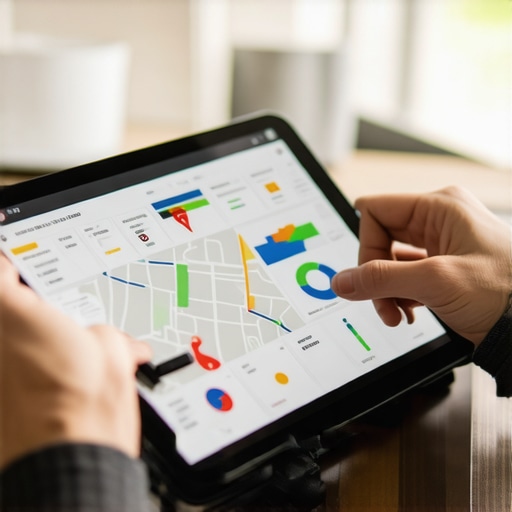
Ultimately, mastering local Maps SEO in 2025 requires a thoughtful blend of data-driven insights, authentic engagement, and agility. As I continue to refine my approach, I invite you to share your experiences or ask questions—let’s learn from each other’s journeys and grow together in this dynamic landscape.
Harnessing Hyper-Localized Data for a Competitive Edge
In my ongoing quest to refine local SEO tactics, I’ve discovered that delving into hyper-local data sets can unveil opportunities that standard keyword research often misses. For example, integrating real-time event data, neighborhood demographic shifts, and even seasonal trends into my Maps SEO strategies has yielded remarkable results. These insights allow me to craft highly targeted campaigns that resonate with the immediate community, fostering trust and increasing conversions. Industry reports, such as those from BrightLocal, emphasize that localized data-driven decisions are increasingly critical for small businesses striving for visibility in 2025 (source).
Why Are Authentic Customer Interactions More Vital Than Ever?
As search algorithms grow more sophisticated, the importance of genuine customer engagement has skyrocketed. I’ve learned that responding thoughtfully to reviews, sharing behind-the-scenes content, and actively participating in community discussions not only humanizes my brand but also signals authenticity to search engines. For instance, during a local festival, I sponsored a community event and documented the experience across my profile, which organically boosted my local relevance. Google’s E-A-T principles—Expertise, Authoritativeness, Trustworthiness—are now more central than ever, as emphasized in Moz’s latest SEO guides (source).
How Can Small Businesses Leverage Niche Community Content to Outperform Competitors?
Creating rich, niche content such as neighborhood history blogs, local success stories, or regional guides can position your business as a community authority. I’ve experimented with collaborating with local influencers and residents to generate authentic content, which significantly improved my visibility and credibility. The key is to align this content with your core offerings, ensuring relevance and resonance. For detailed strategies, I recommend exploring this resource.
Integrating Advanced Automation Without Compromising Authenticity
Automation tools have become indispensable for managing reviews, citations, and posting schedules. However, I’ve found that over-automation risks alienating local customers. To counter this, I layer automation with personalized interactions—responding to reviews with specific references, sharing authentic stories, and participating in local forums. This hybrid approach maintains efficiency while preserving the genuine voice that builds community trust. For example, I once personalized a response to a negative review by acknowledging the issue and offering a direct solution, which transformed a potentially damaging situation into an opportunity for relationship-building. For those interested, exploring tailored Maps SEO packages can help strike this balance effectively.
What Are the Emerging Opportunities in Local SEO for 2025?
One of the most overlooked opportunities is leveraging augmented reality (AR) features in local listing interactions. Imagine customers virtually exploring your storefront or visualizing your services within their environment using AR-enabled search results. While still emerging, this technology promises to redefine local engagement. Additionally, implementing voice-optimized content and schema markup tailored for local queries enhances search visibility. According to Search Engine Journal, early adoption of these technologies can position your business as an innovative leader in your community (source).
How Do You Maintain Flexibility Amid Rapid Algorithm Changes?
Staying agile in local SEO demands continuous education and strategic testing. I dedicate time weekly to monitor local search algorithm updates, participate in industry webinars, and experiment with new tactics on a small scale before scaling. This iterative process allows me to adapt swiftly without risking significant setbacks. For example, when Google introduced its new local pack features, I adjusted my profile optimization to include the latest schema markup, leading to immediate visibility gains. For comprehensive guidance on maintaining adaptability, I recommend visiting this resource.
Engaging deeply with these advanced strategies has been instrumental in elevating my local presence. I invite you to share your experiences or ask questions—let’s continue refining our approaches and thriving together in this dynamic landscape.
Things I Wish I Knew Earlier (or You Might Find Surprising)
Local SEO Is More Than Just Keywords
Early in my journey, I thought optimizing for keywords was the entire game. It wasn’t until I started focusing on community engagement and authentic interactions that I saw real results. Genuine reviews and local stories often outperform keyword stuffing in relevance and trustworthiness.
Consistency Is King
I learned that maintaining a steady flow of updates—like new photos, posts, and reviews—keeps your listing fresh and favored by Google. Sporadic efforts won’t cut it if you want to stay ahead in local search rankings.
Data Is Your Best Friend
Using local analytics tools helped me identify untapped niches and seasonal trends. Without data-driven insights, I was just guessing. Now, I tailor my campaigns based on what the numbers tell me about my community’s behavior.
Community Engagement Outperforms Everything
Participating in local events and creating neighborhood-specific content boosted my visibility more than any paid ad. People trust businesses that show they care about their community.
Automation Should Support, Not Replace, Authenticity
Automating review monitoring and posting is helpful, but it’s crucial to add personal touches. Responding thoughtfully to reviews or sharing behind-the-scenes content builds genuine connections that Google recognizes and rewards.
Resources I’ve Come to Trust Over Time
- Search Engine Land: This site offers comprehensive updates and expert analysis on local SEO trends, which I check regularly to stay informed.
- Moz’s SEO Guides: Their guides on E-A-T principles and local ranking factors have deepened my understanding of what search engines prioritize.
- BrightLocal Blog: A treasure trove of case studies and actionable tips specific to local SEO, making complex concepts easier to grasp.
- Google’s Official My Business Blog: Direct insights from Google help me understand algorithm updates and new features firsthand.
Parting Thoughts from My Perspective
In my experience, mastering local Maps SEO in 2025 is about more than just technical tweaks—it’s about building trust and authenticity within your community. The most successful businesses I’ve seen are those that blend strategic data use with genuine engagement, creating a vibrant local presence that search engines and customers alike admire. If this resonates with you, I’d love to hear your stories or questions. Feel free to share your journey or ask for advice—together, we can navigate the ever-evolving world of local SEO and grow stronger in 2025 and beyond.