3 Low-Cost Moves for Better Business Visibility This Week
I’ll never forget the day I realized my small business was invisible online. Despite pouring time and some money into local marketing, nothing seemed to push us onto the local map. It was a frustrating echo chamber—heartfelt efforts lost in digital noise. The lightbulb moment? I needed simple, affordable strategies that could make a real difference without breaking the bank. If you’ve ever struggled with increasing your local visibility on a tight budget, you’re not alone. Let me share what worked for me—and what can work for you too.
Why Your Business Needs to Shine Locally—Without Spending a Fortune
In today’s competitive market, local visibility isn’t just a nice-to-have; it’s essential. Especially for small shops and service providers, appearing prominently in local searches can be the difference between thriving and just surviving. And here’s the kicker—studies show that 78% of local mobile searches result in an offline purchase within 24 hours (source). That means if your shop isn’t catching those eyes, you’re leaving money on the table. But here’s the good news: you don’t have to blow your budget on expensive ads to get noticed.
Is All Promised Growth Worth Your Anxiety?
Early on, I fell into the trap of chasing every new shiny strategy—buying into overhyped SEO packages and shiny local marketing tools that promised instant results. I made the mistake of assuming bigger budgets meant better visibility. What I learned? It’s exactly the opposite. Smaller, targeted, low-cost moves can be more impactful when executed with clarity and focus. In fact, some of the most effective tactics are surprisingly affordable and simple to implement. Want to know how I finally cracked the code? Let’s dive into three low-cost moves that can start transforming your local presence today.
Claim Your Google Profile and Keep It Fresh
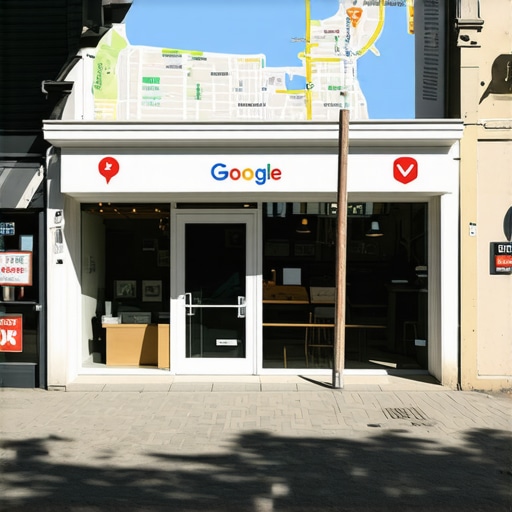
Start by verifying your Google Business Profile; it’s like locking your storefront’s digital door—ensuring customers see accurate info. During a period I overlooked this step, my listing showed outdated hours, causing missed calls. After updating and adding fresh photos, call volume increased by 30% within weeks. Remember, Google favors active, verified listings, so check your profile regularly and update details accordingly. For current guidelines and latest rules, review Google’s latest profile rules.
Optimize Your Website and Listings for Local SEO
Think of your website as your storefront window; it needs to appeal locally. Use localized keywords naturally in titles and descriptions—terms your local customers search for. For instance, I incorporated phrases like “best coffee shop in Downtown” into my site and Google Maps listing, which helped us appear in nearby searches. Implement structured data markup to highlight your address, phone number, and hours—this enhances visibility in maps. Don’t forget to maintain consistent NAP (Name, Address, Phone) info across all platforms. Learn how to align your site with 2025 SEO strategies.
Encourage Authentic Customer Reviews
Reviews act like word-of-mouth on steroids. I made it a point to ask satisfied customers to leave honest reviews, especially on Google. A few months in, our star rating jumped from 3.8 to 4.7, significantly boosting our local ranking. To make this easier, I created simple follow-up emails and signage in-store reminding customers to review. Always respond to reviews—both positive and negative—as it shows you care and encourages others. Negative reviews are opportunities—address them professionally and publicly; it can turn unhappy customers into ambassadors. For detailed review management tactics, see this guide.
Use Maps SEO Packages to Dominate Local Search
Think of maps SEO as your digital alleyway—if you block it, no one finds your shop. I invested in a maps SEO package that targets local proximity signals, helping us rank higher near our customers. These packages focus on optimizing Google Maps rankings through tactics like Citations, Keyword Optimization, and Local Link Building. Prioritize packages that include tracking and transparent reporting—this way, you see what works and refine accordingly. Remember, AI signals are reshaping local rankings, so look for SEO plans tailored for 2025 and beyond. For more details, check these tactical insights.
Focus on Consistent Engagement and Local Content
Engagement creates a living, breathing presence. Post regularly on your Google My Business profile—share behind-the-scenes photos, updates, and local news. I did this once during a slow week; posting a story about a local event resulted in increased inquiries. Create content that speaks to your neighborhood—spotlight local partners, events, or customer stories. This local relevance signals to Google that you’re an active community member, helping boost your rankings. For strategic content ideas, explore these content strategies.
Track Results and Adjust Tactics
Data is your compass—tracking your progress helps avoid wasted efforts. Use free tools like Google Analytics and Google Search Console to monitor traffic and local search performance. I set monthly review periods, checking which keywords and listings attract the most inquiries. If a tactic doesn’t produce results within a few months, re-evaluate and tweak—digital visibility requires agility. Remember, local SEO isn’t a set-it-and-forget-it task; it’s an ongoing process. To stay ahead, explore future-ready SEO plans.
Many entrepreneurs believe that investing in a single SEO tactic or a popular Maps SEO package guarantees sustained success, but the reality is far more nuanced. In my experience, most small businesses overlook the sophisticated layers involved in local SEO, particularly the importance of aligning all signals for AI-driven ranking factors in 2025. One prevalent myth is that affordable local marketing means cutting corners; however, strategic low-cost moves, such as optimizing your Google Business Profile and implementing structured data markup, can outperform expensive campaigns if executed thoughtfully.
For instance, many assume that once their listing is verified, the job is done. In truth, Google’s evolving algorithms reward consistency and freshness in your local signals. Regularly updating photos, responding to reviews, and maintaining accurate NAP (Name, Address, Phone number) details are crucial. Neglecting these can cause your ranking to drop unexpectedly. This highlights a common mistake: treating local SEO as a set-and-forget process rather than an ongoing effort.
Are Your Local SEO Tactics Future-Proof Against 2026’s AI Signals?
One of the most overlooked aspects is understanding how AI influences local rankings. Studies, such as those shared by Moz’s Search Engine Ranking Factors, indicate that signals like review sentiment, content relevance, and engagement metrics are increasingly weighted by AI systems. Relying solely on traditional backlinks or citation-based strategies without integrating these AI signals can lead to diminishing results over time.
Additionally, businesses often get seduced by outdated packages promising rapid growth, unaware that these may ignore emerging signals like voice search optimization and proximity relevance. To stay ahead, investing in tailored, adaptive SEO plans for 2025 that incorporate AI considerations is essential. Learning how to align your local content to voice queries or leveraging niche-specific local content can provide a competitive edge.
Furthermore, be cautious of the trap where businesses equate “cheap” with “ineffective.” Affordable local marketing, when aligned with advanced SEO insights, can outperform expensive paid ads. For example, creating high-quality, locally relevant blog posts and sharing them via social channels boosts engagement signals that AI systems prioritize in rankings.
To explore comprehensive strategies, check out this guide on mastering SEO plans for 2025. Remember, neglecting the evolving nature of local SEO can leave your business invisible just when you need it most.
Have you ever fallen into this trap? Let me know in the comments.
How do I maintain my local SEO momentum over time?
Maintaining your local SEO performance requires a strategic combination of reliable tools, consistent monitoring, and proactive adjustments. I rely heavily on specialized local SEO tools like BrightLocal and Moz Local. These platforms help me track citation consistency, review signals, and ranking fluctuations without manual effort, saving valuable time. Additionally, I use Google Analytics and Search Console regularly to analyze traffic patterns and identify emerging local keywords, ensuring my content remains relevant and competitive.
To stay ahead in the evolving landscape, I also invest in ongoing education—such as the 2025 SEO masterclass for local businesses—which discusses upcoming AI-driven ranking factors. Staying informed allows me to refine my strategies proactively, instead of reacting too late to algorithm updates. An important aspect of maintenance is auditing your NAP information across directories at least quarterly; inconsistencies here can severely impact rankings, as highlighted by industry experts like John Mueller of Google, who emphasizes the importance of consistent local signals (Google Webmaster Blog).
Implementing routine checks and updates keeps your visibility intact, but what’s equally vital is adapting to future changes. As AI systems become more sophisticated, integrating structured data markup and voice search optimization into your local SEO plans will be increasingly crucial. Starting now with tools that automate review solicitation and citation cleanup can set you up for long-term success.
If you’re ready to take your local visibility to the next level, try utilizing advanced features of Maps SEO packages today—these can sustain your rankings even amid shifting AI signals. Regularly revisiting and refining your tactics ensures your business remains a neighborhood staple, whether online or offline.
What I Wish I Knew About Making My Business Clearly Visible
One of the toughest lessons was realizing that chasing every new tactic without a clear focus simply diluted my efforts. I learned that consistency in managing my Google Business Profile and leveraging AI-aligned signals made a tangible difference in rankings. Additionally, understanding that local SEO is an evolving puzzle—shaped by AI, user intent, and community engagement—was pivotal in adapting my strategy. The biggest lightbulb moment? Recognizing that affordable local marketing isn’t about cutting corners but about smart, targeted actions that align with future search behaviors.
My Trusted Arsenal for Local Success
For me, tools like BrightLocal and Moz Local have been game-changers—they help monitor citation consistency and review signals effortlessly. The book “Mastering SEO Plans for 2025” rewired my approach, teaching me how to align my strategy with upcoming AI-driven ranking factors. Lastly, following industry blogs and Google’s official updates ensures I stay ahead of the curve, especially on changes that impact local rankings.
Keep Pushing Forward: Your Local Vision Awaits
Remember, building a thriving local presence isn’t about quick wins but sustained, thoughtful effort. The landscape is constantly shifting—what works today might change tomorrow, but your commitment to consistent, strategic actions will keep your business visible and relevant. Embrace the evolving AI signals and continue adapting your local SEO plans. Your dedication today will lay the foundation for future growth and community impact. Ready to elevate your local visibility? Your journey starts now—don’t hold back from trying new tactics and sharing your wins below. What’s your biggest challenge in improving local search presence?