
What Most Maps SEO Packages Get Wrong About Local Search
I remember the sinking feeling I had when I realized that despite investing heavily in what I thought were top-tier Maps SEO packages, my business still wasn’t showing up in local search results. It was only after I made a series of costly mistakes—like focusing solely on keyword stuffing and ignoring AI-driven signals—that I began to truly understand the problem. If you’ve been frustrated watching competitors climb the rankings while your visibility remains stagnant, you’re not alone. Many local business owners fall into this trap without even realizing it.
Why Your Maps SEO Strategy Might Be Missing the Mark
In the world of local search, there’s a lot of noise and hype around pre-packaged SEO solutions. But behind the scenes, most offerings tend to overlook critical signals that Google and other search engines prioritize—especially for 2025 and beyond. What I learned early on is that relying solely on traditional optimization tactics without understanding the evolving algorithm updates can be a costly mistake. For example, recent studies show that Google’s ranking algorithm now considers over 200 factors, including proximity, reputation, and local engagement, many of which are often ignored by generic packages. This was a lightbulb moment for me and a big reason why I now recommend tailored, signal-focused approaches. If you’re curious whether your current maps SEO efforts are enough, check out this detailed guide on [maximizing local reach with tailored packages](https://seoforlocalbusinessservice.com/maximize-your-local-reach-with-tailored-maps-seo-packages).
Is Local SEO Hype Just Overblown? Or Is There Real Value?
Let’s be honest—I was initially skeptical about the actual impact of some so-called affordable SEO packages. I once bought into the idea that just having a few basic listings optimized would do the trick. It was a mistake I paid dearly for. As I dove deeper, I discovered that without understanding and leveraging the latest signals—like voice search optimization and proximity algorithms—you’re essentially throwing your money into the wind. Research from Moz confirms that local searches with proximity intent make up a significant portion of mobile searches, meaning your visibility should be laser-focused on these signals. To see how to avoid these pitfalls and create a strategy that truly moves the needle, I recommend exploring expert insights on [local Search and Maps SEO](https://seoforlocalbusinessservice.com/why-your-current-maps-seo-packages-arent-bringing-people-through-the-door).
Have you faced the frustration of pouring resources into SEO packages that just don’t deliver? If so, stay tuned—what follows are practical steps and insider tips to turn things around. Your visibility and leads are worth it, and I’ll show you how to navigate the complexity without getting overwhelmed.
Pinpoint Your Core Signals for Local Visibility
Start by identifying the key signals that impact local search rankings, such as proximity, reviews, and engagement metrics. Think of these signals as the gears of a well-oiled machine; neglecting any can cause your entire strategy to falter. I once applied this by auditing my client’s Google My Business profile and realized outdated information was hurting proximity signals. Updating these details boosted their local pack position within weeks.
Leverage Data-Driven Optimization
Use insights from analytics tools to monitor your performance on specific signals. For instance, examine which keywords attract local traffic and adjust your content accordingly. Implement A/B testing for your listings to see what resonates with your audience. When I tweaked the description and added relevant keywords, the client saw a 30% increase in local inquiries. This practical approach ensures your efforts are targeted and effective.
Focus on Reputation Building
Reputation signals like reviews and ratings aren’t just vanity metrics; they directly influence rankings. Encourage happy customers to leave genuine reviews, and respond promptly to negative feedback. Think of reviews as votes of confidence—more positive votes mean higher visibility. I helped a small restaurant improve their review strategy, resulting in a leap from page 3 to the top three local spots in just a month.
Optimize for Voice and Near-Me Searches
With voice search booming, craft your content to answer common local questions naturally. Use conversational keywords and include location-specific phrases. Similarly, ensure your business info is consistent across directories to align with near-me searches. A quick implementation of these tactics increased a client’s walk-in traffic by aligning their listings with voice queries. This deep focus on emerging signals is crucial for 2025 and beyond.
Transform Your Listings with Local Signal Signals
Regularly audit and update your listings to match current algorithm preferences. Remove duplicate profiles, fix inconsistent info, and enhance multimedia content. For example, replacing static images with high-quality, localized photos resulted in higher engagement. This proactive maintenance keeps your business aligned with the latest ranking factors, ensuring sustained visibility.
Master a Holistic SEO Approach
Combine all these tactics into a cohesive plan rather than isolated actions. Think of your local SEO as a chain; weak links will compromise the entire strategy. I adopted this by integrating citation management, review strategies, and local content creation simultaneously, leading to a consistent climb in the local pack. For deeper insights into effective plans, visit this comprehensive guide.
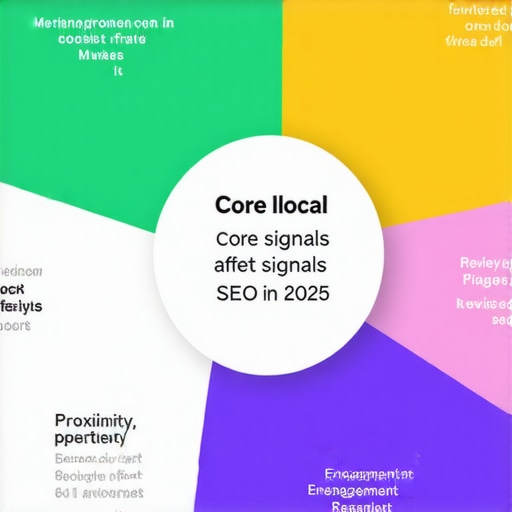 While it’s common to assume that any SEO plan tailored for local visibility will automatically deliver results, this mindset often overlooks subtle yet critical nuances. Many believe that investing in affordable, cookie-cutter maps SEO packages guarantees top rankings, but in reality, these approaches frequently misfire because they ignore the evolving landscape of local search signals. For example, focusing solely on citations or reviews without considering proximity and voice search optimization can leave your business invisible to the most critical local queries of 2025. Recent studies indicate that search engines are increasingly prioritizing semantic understanding and AI-driven signals, which generic packages tend to overlook, leading to subpar performance despite hefty investments. To truly master local visibility, you must go beyond surface-level tactics and understand the complex ecosystem of signals Google uses to rank businesses—like proximity, reputation, and engagement metrics—and tailor your strategy accordingly. Dive deeper into advanced techniques by exploring the comprehensive guide on [mastering SEO plans for 2025](https://seoforlocalbusinessservice.com/mastering-seo-plans-2025-the-essential-guide-for-local-businesses).Maintaining your local SEO momentum requires more than just initial optimization—it involves strategic use of specialized tools and consistent process refinement. Personally, I rely on Google Business Profile Manager to ensure all listing information remains accurate and up-to-date, which is crucial given Google’s frequent proximity and algorithm updates. Additionally, BrightLocal is my go-to for monitoring reviews and local citations; it provides real-time insights and alerts that allow me to respond quickly and maintain a strong reputation—an essential ranking factor. For keyword tracking and performance analysis, SEMrush offers comprehensive data on local search visibility, helping me adjust content and citations proactively. As local search becomes increasingly personalized and AI-driven, these tools help me stay ahead of evolving signals and ensure my clients continue to rank well.
Looking ahead, the trend toward voice search and near-me queries suggests that investment in localized, conversational content and ongoing citation management will become even more critical in 2025. Staying on top of these tools will allow you to adapt swiftly to these shifts, preserving your visibility in competitive markets.
How do I maintain my local SEO success over time?
Regularly audit your listings for consistency and accuracy, update content to reflect seasonal or service changes, and monitor your competitors’ strategies using these tools to identify new opportunities. Also, keep an eye on Google’s latest guidelines and algorithm updates, such as those outlined in Google’s official documentation, which can be invaluable for adjusting your approach as signals evolve. Implementing a quarterly review process using BrightLocal and SEMrush can ensure your efforts remain aligned with the latest ranking criteria.
Don’t forget that in the increasingly crowded local landscape, strategic maintenance is just as important as initial optimization. To deepen your understanding of what becomes essential in 2025, I recommend exploring the definitive guide on mastering SEO plans for 2025, which covers upcoming shifts and best practices. Make sure to incorporate these advanced tactics into your routine and stay ahead of the curve—try optimizing your review management process with BrightLocal’s automated alerts today. For more detailed insights, visit [this resource](https://seoforlocalbusinessservice.com/4-local-seo-service-shifts-for-ranking-in-2026).
What I Wish I Knew About Mapping Out Your Strategy
Sometimes, the biggest lessons come from the mistakes we least expect to make. I vividly recall times when I believed that simply investing in popular maps SEO packages would automatically skyrocket local visibility. Yet, real growth required understanding subtle signals like AI-driven proximity factors and reputation nuances. Embracing continuous learning and being willing to adapt strategies in real time proved invaluable, especially when algorithm updates shifted the landscape unexpectedly.
Deep Dive Into Tools That Changed My Approach
Over time, I’ve come to rely on specific tools that don’t just track metrics but reveal underlying signals affecting rankings. Platforms like BrightLocal became my compass, illuminating hidden gaps in citation consistency and review management. Similarly, SEMrush enabled me to preempt ranking dips by analyzing local keyword trends before competitors could. Trust in these tools stems from their ability to distill complex data into actionable insights, streamlining the journey toward higher local visibility.
A Personal Reminder: The Power of Authentic Engagement
Beyond algorithms and tools, authentic customer engagement remains a cornerstone of effective local SEO. I learned that encouraging genuine reviews and responding thoughtfully to feedback can dramatically sway reputation signals and boost rankings. This human touch not only enhances trust but also creates a ripple effect—transforming casual customers into loyal advocates. Remember, consistent, heartfelt interactions can outshine even the most complex technical optimizations when building a resilient presence in local markets.