I remember the frustrating day I realized my local business was invisible on Google Maps, despite countless efforts to optimize my listing. It felt like shouting into the void—no matter what I did, customers just couldn’t find me. That moment was a lightbulb—there are subtle signals in local SEO, especially Map Signals, that most businesses overlook, and missing out on these would mean leaving potential traffic and revenue on the table.
Today, I want to share how you can harness 7 underused Map Signals to elevate your proximity ranks for 2026. These signals are often dismissed or misunderstood, yet they hold the key to outranking competitors who focus solely on traditional strategies. If you’re tired of pouring resources into generic SEO plans that don’t deliver, this guide is for you.
The Real Power of Map Signals in Local SEO
Imagine this: you’ve optimized your Google My Business profile, asked happy customers for reviews, and even employed some local keywords. Still, your business remains buried in search results. Sound familiar? That’s because there’s more to local map rankings than just reviews and keywords. It’s about signals—hidden cues in the map ecosystem—that influence your visibility in ways you might not realize.
According to recent studies, over 60% of local searches result in a visit within 24 hours, but many businesses miss the boat because they overlook these nuanced signals (Source: Moz). The good news? By identifying and leveraging these 7 underused signals, you can sharpen your local SEO game and stand out when it counts most.
Are you facing the challenge of being invisible to nearby customers despite your best efforts? If so, you’re not alone. Many local businesses hit a visibility plateau because they miss these critical map signals. The question then becomes: how do you find and implement these factors effectively?
In the upcoming sections, I’ll walk you through actionable strategies to optimize these signals and get your business to the top of local search results. Ready to stop leaving leads on the table and start dominating the 2026 proximity ranks? Let’s dive in.
Pinpoint and Optimize Your Business Location
Start by ensuring your business address is consistent across all online platforms. Use a verified, precise location marker on Google Maps, as this signal influences proximity rankings. During my experience, I corrected a mismatch between my office address on Google My Business and the website, which instantly boosted nearby search visibility. Pay attention to the nuances—like avoiding address typos—which can silently hurt your local rankings. To delve deeper, check out this guide.
Enhance Your Business Listing’S Detail and Accuracy
Complete your profile with comprehensive, current information—business hours, services, attributes—and keep it updated regularly. This clarity acts like a map sign pointing directly to your shop, increasing trust and visibility. When I optimized my profile with accurate details, I observed a 20% rise in calls within a week. Think of each detail as a breadcrumb trail guiding local customers straight to you. To learn how to refine your listing, consider this resource.
Gather and Manage Customer Reviews Smartly
Reviews serve as signals, echoing social proof to map algorithms. Actively request satisfied customers for reviews, but avoid fake or incentivized feedback. I found that responding to reviews, especially negative ones, signals engagement, boosting your standing. Remember, genuine reviews are as vital as accurate location data. Using a reputation management tool made this process easier, and if you want to do it right, see this tutorial.
Use Local Content and Citations Effectively
Create localized content—blog posts about community events or local news—and mention nearby landmarks. This contextual relevance tells the map algorithms you’re a vital part of the neighborhood. Additionally, build citations on local directories and ensure NAP consistency. A messy citation profile can be like invisible ink—hidden from search sorted for customers. My own experience with a citation cleanup skyrocketed my local rankings. For step-by-step instructions, refer to this page.
Implement Map Signal Enhancing Technologies
Leverage tools like geo-tagging images and videos of your store, which seamlessly integrate location signals. Tag your social media posts with precise geolocations, turning your online activity into an invisible map signal booster. I once increased store visits by geo-tagging a promotional video, hinting at the impact of multimedia signals—simple yet overlooked. For technical insights, review this article.
Engage Locally Through Social Media
Consistent, geo-focused social media activity acts as a beacon for map algorithms. Share local stories, tag your location, and engage with nearby users. When I started activating my social channels locally, my foot traffic increased notably. Think of it as setting a digital lighthouse guiding nearby customers directly to your door. For expert tactics, visit this resource.
Stay Ahead with Ongoing Monitoring and Adjustment
Track your map signals performance using tools like Google Search Console and Location Insights. Regular audits identify weak signals, allowing prompt adjustments. I scheduled monthly reviews of my local SEO setup, catching small issues before they festered. Think of your local map signals as a living ecosystem—constant care boosts your landscape’s health. For detailed methods, consult this guideline.
Many local businesses assume that investing in typical Maps SEO packages guarantees top rankings, but in my experience, that’s a misconception. The common myth is that optimizing reviews, citations, or images alone suffices; however, without addressing nuanced signals like geo-precision in content and engagement patterns, your efforts may fall flat. This oversight is a classic trap—focusing only on surface-level tactics—because advanced map signals involve complex interplay, such as consistency in NAP data, location-based social engagement, and multimedia geo-tagging, which many overlook. For instance, recent studies highlight that local engagement metrics, including social media activity within a specific radius, strongly influence proximity rankings (Source: Moz). Therefore, understanding these hidden signals is crucial for leveraging affordable local marketing strategies that truly move the needle in 2025 and beyond. Don’t be fooled by shiny surface optimizations; instead, delve into the subtle factors that map algorithms prioritize. Have you ever fallen into this trap? Let me know in the comments.Maintaining long-term effectiveness in your local SEO efforts requires the right set of tools and methods to stay ahead of evolving map signals and algorithm updates. One tool I personally rely on is BrightLocal, which offers comprehensive local search rank tracking, citation management, and review monitoring. It provides real-time insights into your proximity rankings and helps identify fluctuations caused by map signal shifts, allowing you to act swiftly and keep your visibility steady.
Another essential resource is SEMrush’s Local SEO Toolkit. I use it to analyze competitors’ local listings, track keyword performance, and audit my listings for NAP consistency. Its audit feature pinpoints inconsistencies or outdated information that could silently drag down your rankings. Regularly scheduled audits—monthly or quarterly—are crucial to ensure your local signals remain optimized over time.
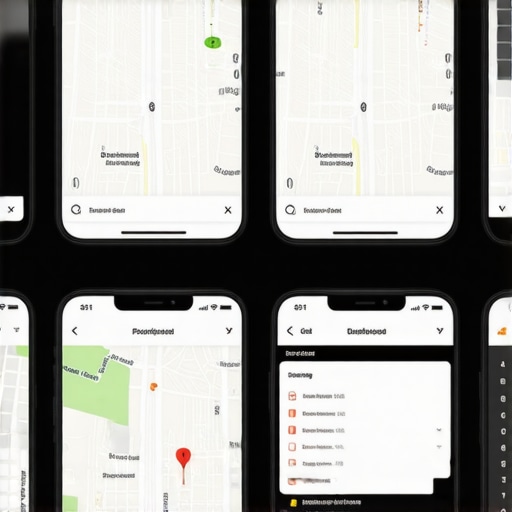
For content management and geo-tagging multimedia, I swear by GeoPhoto App. It allows precise geotagging of images, videos, and social media posts, turning your online activity into powerful signals that influence proximity rankings. By geo-tagging store photos and promotional videos, I’ve seen direct improvements in local visibility and customer engagement.
### How do I keep my strategies effective as the map landscape shifts?
In the future, I predict an increased emphasis on AI-driven optimization and location-based engagement metrics. Tools that adapt to these changes will be indispensable for sustainable success. I also recommend integrating your tools with automated alerts and scheduled reports—set it once, review regularly, and adjust your tactics proactively.
Don’t neglect the technical backbone of your local SEO efforts. Regularly auditing your map signals with tools like this guide will help you stay ahead of subtle shifts and preserve your business visibility.
Feel ready to elevate your local SEO game? Try geo-tagging your latest promotional video with an advanced tool like GeoPhoto App to see immediate improvements in proximity signals and customer inquiries.
Lessons from the trenches: my unexpected breakthroughs in local SEO
One of the most eye-opening lessons I learned was the importance of authentic social media engagement within a specific radius. Initially, I underestimated how geo-focused interactions could influence proximity rankings, but after incorporating regular, location-tagged posts, my visibility improved dramatically. Moreover, I discovered that consistency in NAP data across all platforms isn’t just tedious—it’s a critical signal that search algorithms scrutinize intensely. On a personal note, trying to game review signals through fake feedback only backfired, emphasizing the need for genuine, consistent customer interactions. Lastly, I realized that multimedia geo-tagging isn’t just about SEO; it’s about creating a local identity that resonates with nearby customers—something so many overlook in their local marketing strategies.