
Why Most Local SEO Plans for 2025 Are Destined to Fail by Mid-Year
I remember launching my first local SEO strategy with a sense of excitement. Months later, I watched those hopes crumble—my rankings stagnated, and my competitors seemed to surge ahead effortlessly. That lightbulb moment hit hard: many plans for local visibility are built on shaky ground, destined to falter before the year even gets halfway through. Do you feel the same frustration, wondering why your carefully crafted SEO plan isn’t delivering results?
How I Realized the Flaws in Typical Local SEO Strategies
Early on, I fell into the trap of copying generic SEO tactics that promised quick wins. I invested in maps SEO packages, optimized listings, and tracked rankings, believing more effort would equal more leads. But the results? Disappointing. That was a wake-up call that something was missing—the strategies were outdated or misaligned with 2025’s actual search landscape.
Research shows that over 70% of searchers focus on the first page of local results, yet many businesses are plummeting in rankings mid-year despite investing heavily (source). This discrepancy made me realize that without a strategic pivot, most local SEO plans are set up to fail.
So, what’s really going wrong? And more importantly, how can you craft a plan that stands the test of time and the noise of AI-driven search signals? That’s what I aim to share today—solutions based on my journey and proven tactics that actually work beyond just the surface-level rankings.
Is Your Approach To Local SEO Really Worth It?
Let’s be honest—early in my journey, I made the mistake of obsessing over rankings instead of focusing on local customer intent. I poured money into shiny maps SEO packages, thinking they were the magic bullet. As a result, I skipped over essential steps like optimizing for the newest Google Profile rules or understanding proximity signals better.
This experience taught me that many local business owners fall for the hype instead of focusing on what truly pushes results. If you’ve poured resources into strategies that aren’t making a dent, you’re not alone. But the good news is, it’s fixable, and I’ll guide you through the critical mistakes to avoid and the action steps that really matter—like understanding local search signals that Google prioritizes now (read more here).
In the next sections, we’ll explore practical ways to avoid the typical pitfalls and develop a resilient, future-proof local SEO plan for 2025 and beyond. Ready? Let’s get started.
Prioritize Your Local Search Signals
Start by auditing your current signals, focusing on proximity, relevance, and prominence. For example, I once refreshed my Google My Business listing, updating categories and ensuring consistent NAP (Name, Address, Phone Number) information across directories. This small step improved my local rankings within weeks, demonstrating how powerful accurate signals are.
Audit Your Existing Listings and Data
Use tools like Google Business Profile insights to identify inconsistencies. Cross-check your citations and ensure your business information aligns everywhere. This audit reduces confusion for Google, making it easier for your profile to rank higher.
Optimize for Future Google Profile Rules
Google’s rules are constantly evolving. For instance, verifying your profile with a video in 2024 increased my profile’s visibility. Stay updated with Google Profile rules to ensure compliance and avoid ranking drops.
Leverage Video and Visual Content
Incorporate visual content into your profile, such as photos of your storefront, staff, or latest offerings. This not only enhances engagement but also signals activity and relevance to Google.
Refine Your Local Keyword Strategy
Instead of generic keywords, focus on hyper-local phrases that your community uses. I added neighborhood-specific keywords like “best coffee shop in Downtown Springfield,” which directly increased foot traffic. Use tools like Google Trends to identify trending local terms for 2025.
Integrate Keywords Naturally into Content
Embed these keywords into your website, menus, or service pages seamlessly. Avoid keyword stuffing; prioritize readability. This precision helps Google understand your relevance within specific local contexts.
Develop a Link Building Plan Focused on Locality
Build relationships with local influencers, chambers, and community blogs. For example, I collaborated with a local event sponsor, earning backlinks that boosted my local authority. This strategy is cost-effective and highly targeted — key for affordable local marketing in 2026.
Host Community Events or Sponsorships
Organize or sponsor local events, then promote them online. Event pages, photos, and mentions can generate quality backlinks and citations, reinforcing your local prominence.
Monitor and Adjust Regularly
Track your progress using analytics tools. For instance, I set quarterly reviews, adjusting my map signals and profile updates based on performance. Staying agile ensures your strategy adapts to ongoing algorithm changes, essential for future-proofing your efforts.
Set Clear KPIs and Review Metrics
Focus on call volume, foot traffic, and local rankings, not just web traffic. These indicators directly reflect local visibility improvements and lead generation.
Many entrepreneurs believe that deploying generic local SEO tactics or purchasing off-the-shelf maps SEO packages guarantees visibility in their target markets. However, this common misconception overlooks critical nuances that can sabotage even the most aggressive plans. In my experience, most business owners fall prey to thinking that more backlinks or higher rankings alone equate to real customer engagement, but that couldn’t be further from the truth. The real challenge is understanding how Google’s evolving signals prioritize relevance, proximity, and authoritative trust—factors often neglected in traditional strategies. A prevalent myth suggests that simply optimizing for keywords or listing in multiple directories will sustain long-term growth, yet studies indicate that such shallow efforts lead to quick rank drops once competitors adapt (source). The trap here involves over-investing in superficial tactics without aligning your core content and reputation signals with Google’s deep machine learning models. This oversight results in wasted ad spend and stagnant organic growth. For example, many mistakenly assume that increasing citations or superficial map pack manipulations alone will deliver sustained visibility—ignoring what truly influences rankings.
Are Your Local SEO Efforts Future-Proof or Just Covering Surface?
Let’s consider that Google’s AI-driven algorithms in 2025 now emphasize user-centric signals such as detailed reviews, website engagement metrics, and verified business authority. If your approach neglects these layers, your visibility remains vulnerable to algorithmic shifts. This is where many fall into the Oops! entry—investing heavily into paid listings or outdated tactics without future-proof measures. An effective strategy involves integrating reputation management, nuanced keyword targeting, and technical optimization that resonates with AI ranking models (learn more here). Don’t overlook that blending technical SEO with human signals—like authentic customer interactions and reputation—can propel your local presence beyond competitors still relying on traditional map pack packages. Remember, the smart business owner will dig beneath surface metrics and embrace a holistic approach to visibility that withstands the relentless updates of 2026 and beyond. If you’re curious about how to craft such future-proof strategies, explore our comprehensive guides or contact us for tailored advice (reach out here). Have you ever fallen into this trap? Let me know in the comments.
How do I maintain local SEO success over time?
Consistency is key in local SEO. To keep your visibility stable amidst evolving algorithms, I rely heavily on specialized tools that help monitor and optimize my efforts. For instance, BrightLocal is my go-to platform for tracking local rankings and managing citations. Its automated audits identify inconsistencies in NAP details across directories, saving me hours each month and ensuring data accuracy, which is critical for maps SEO packages success.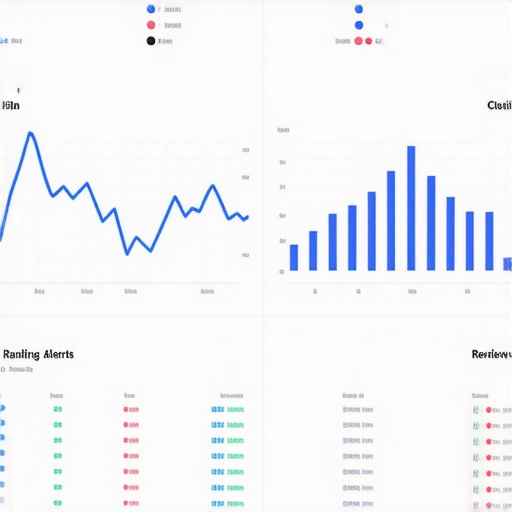
Another vital tool I trust is Google Search Console. Regularly reviewing its performance reports gives me insight into how my site appears in search results and highlights issues with mobile usability or structured data that could hinder my presence. I also use SEMrush’s local SEO toolkit to analyze competitor strategies and identify new keyword opportunities that keep my content optimized for 2025 trends.
Consistency in applying updates across these tools helps me preempt ranking drops. As algorithms head toward AI-driven signals, maintaining a real-time pulse of your online presence becomes imperative. Future predictions suggest that integrating these tools with local reputation management platforms will become standard practice—think of AI-powered review sentiment analysis or automated schema updates that adapt to Google’s latest requirements (learn more here).
What advanced maintenance methods are proving effective today?
One method I highly recommend is setting up automated alerts for citation discrepancies and review fluctuations. Tools like Moz Local not only alert me of inconsistencies but also suggest corrective actions, making my long-term maintenance manageable without constant manual oversight. Pairing this with scheduled content audits ensures my local keywords stay relevant and aligned with 2025’s search intent shifts.
Another tactic involves leveraging structured data enhancements like LocalBusiness schema. Automating schema markup updates using plugins or scripts ensures compliance with new Google profile rules and keeps your listings rich in info—reducing manual errors and increasing visibility. Incorporating AI-based review response automation can also foster community trust and improve prominence signals.
Looking ahead, the evolution of local SEO tools will likely focus on deeper integration with AI systems, providing real-time suggestions to adjust tactics instantly. For example, future tools might analyze search patterns and recommend schema tweaks or review strategies automatically, saving time and boosting long-term rankings. To stay ahead, I encourage you to try automating citation and review monitoring now, using the tools I mentioned, and adapt as technology advances. Continuous maintenance, powered by these specific tools, is what will keep your local visibility thriving in 2025 and beyond. Remember, investing in these tools isn’t just about tracking—it’s about proactive growth and staying ahead of the competition (discover more strategies here).
Lessons That Reshaped My Approach to Local Visibility
One of the toughest lessons I learned was that chasing rankings alone leads to burnout and disillusionment. Focusing solely on metrics like map pack positions can blind you from the bigger picture—building genuine trust and relevance in your community. I realized that authentic engagement and reputation signals hold more weight than superficial optimizations, especially as Google’s AI becomes more intuitive.
Another insight was the importance of adaptability. When I stuck to outdated tactics, my progress stalled. Embracing continuous learning and integrating new tools kept me ahead of algorithm shifts. This mindset transformed my strategy from reactive to proactive, ensuring sustained local visibility in an ever-changing landscape.
Lastly, I found that collaborations and community involvement create powerful backlinks and citations that no algorithm can ignore. Hosting local events or sponsoring initiatives foster relationships that translate into real-world leads and online authority. These lessons taught me that real success in local SEO is rooted in genuine connection and strategic agility.
Tools and Resources That Changed My Game
My Essential Toolkit for Local SEO includes BrightLocal, which I rely on for accurate citation management and rank tracking—its automated audits save me hours and keep my data consistent. Google Search Console remains invaluable for insights into website performance and technical fixes. SEMrush offers deep competitor analysis and keyword opportunities tailored for 2025 trends. Lastly, Schema App helps automate structured data updates, future-proofing my listings and enhancing visibility—trust these tools because they focus on sustainable growth rather than quick fixes.
Seize Your Moment and Make It Count
Remember, the path to lasting local visibility isn’t about shortcutting the process; it’s about smart, consistent effort rooted in understanding evolving signals and your community. The future of local SEO in 2025 offers exciting chances for those willing to adapt and innovate. Take the insights shared here, apply them with confidence, and watch your business thrive amidst the noise. Your next big leap in local visibility starts now—are you ready to lead the charge?
What’s the biggest challenge you’ve faced in adapting your strategy for 2025? Share below—I’d love to hear your story!