The Only Map Ranking Metric That Actually Matters for Your Bottom Line
I remember the moment vividly—sitting at my desk late at night, staring at my business’s online map listing with a growing sense of frustration. Despite investing in various local SEO strategies and paying for seemingly comprehensive maps SEO packages, my visibility remained stubbornly low. It felt like throwing darts in the dark, hoping something would stick. That lightbulb moment came when I realized I’d been focusing on the wrong metric—the one thing that truly impacts my bottom line. Have you ever felt the sting of investing time and money into local SEO only to see minimal results? Well, I’ve been there, and I know how discouraging it can be.
Why Local Map Rankings Can Make or Break Your Business
The truth is, in today’s competitive local markets, your visibility on digital maps isn’t just a bonus—it’s a critical component of your overall business success. When customers search for services or products nearby, Google’s local pack becomes their first stop. Yet, many local business owners chase elusive rankings without understanding what really moves the needle.
What I discovered is that there’s a single, often-overlooked map ranking metric that correlates directly with your foot traffic, calls, and ultimately, revenue. This isn’t some vague or fluffy concept; it’s backed by studies showing that higher proximity-based rankings lead to a significant increase in customer conversions. According to BrightLocal, 78% of all local searches result in an offline purchase, making your map ranking a vital factor for growth.
Early on, I made the mistake of obsessing over keyword stuffing and superficial listing optimizations, thinking they’d do the trick. Instead, I realized that focusing solely on broad SEO tactics ignored this crucial metric—proximity relevance—that Google uses to determine local rankings. Once I switched my approach and prioritized this key factor, my visibility soared, and so did my customer inquiries.
If you’re tired of pouring resources into local SEO with little to show for it, understanding and optimizing this fundamental metric can dramatically change your results. Ready to dive into what it is, how it works, and how you can leverage it to dominate your local area? Let’s explore.
For more insights on how local SEO directly impacts your bottom line, check out this comprehensive guide on mastering SEO plans for 2025. It highlights strategies tailored for local businesses looking to stay ahead in an increasingly competitive landscape. But before we get into specific tactics, let’s address a common skepticism.»
Is optimizing for this map ranking metric really worth the effort?
In my early days, I fell into the trap of underestimating the power of proximity signals. I believed that flashy listings and keyword tricks could buy me a higher rank—that was a costly mistake. The truth is, Google’s algorithm prioritizes proximity and relevance, and ignoring this can leave your business invisible to local customers—even if your other SEO efforts are top-notch.
By embracing this insight and aligning my strategies accordingly, I not only improved my map rankings but also built a more sustainable and traffic-driven presence in my community. Don’t make the same mistake I did—start focusing on what truly moves the needle, and you’ll see the difference in your bottom line.
Ready to discover the specific steps to boost your local visibility? Stay tuned as I walk you through proven tactics to harness this essential map ranking metric and watch your business grow.
Optimize Your Google Business Profile for Maximum Relevance
Start with claiming and verifying your Google Business Profile, ensuring all information is accurate and consistent across platforms. Upload high-quality images and include relevant keywords naturally in your description. Regularly update your hours and respond to reviews to boost engagement. This is the foundation—think of it as your shop window; if it’s appealing and accurate, customers will be more inclined to visit.
Implement Location-Based Content Strategies
Create localized content that resonates with your community. Write blog posts, use local keywords, and add service pages tailored to nearby neighborhoods. Embedding a map or mentioning landmarks can help Google associate your business with the area, improving proximity relevance—key for higher map rankings. I once added a service area page mentioning nearby shopping centers, which surprisingly improved my local visibility within a week.
Leverage Local Citations and Listings
Ensure your NAP (Name, Address, Phone number) details are consistent across multiple directories like Yelp, Bing Places, and industry-specific sites. Use the same format and keywords. This creates trust signals for Google. I found that updating inconsistent info and adding new listings caused a noticeable boost in local search visibility, especially when I focused on high-authority directories.
Encourage and Manage Customer Reviews
Actively solicit reviews from satisfied clients, guiding them with simple instructions. Respond promptly and politely to all reviews, addressing any negative feedback constructively. This engagement enhances your profile’s authority and relevance. Once, I personally responded to each review during a busy weekend, which improved my response rate and earned me better local pack positions.
Utilize Hyper-Local Signals Like Traffic and Popularity Data
Google considers signals like visit duration, check-ins, and local engagement. Incorporate special promotions or events to attract foot traffic and encourage visitors to share their experiences online. Additionally, monitor trends through tools and adjust your strategies accordingly. I experimented with limited-time offers shared on local forums, which increased both foot traffic and online signals, helping my rankings climb faster.
Monitor, Analyze, and Adjust Your Map SEO Efforts Regularly
Consistently analyze your local search performance using tools like Google Insights and third-party rank trackers. Watch for changes in proximity factors and SERP features. If you notice stagnation, revisit your listings, reviews, and local content strategies. An ongoing audit, like the one outlined in this audit guide, helps ensure you stay ahead of competitors and adapt to algorithm shifts.
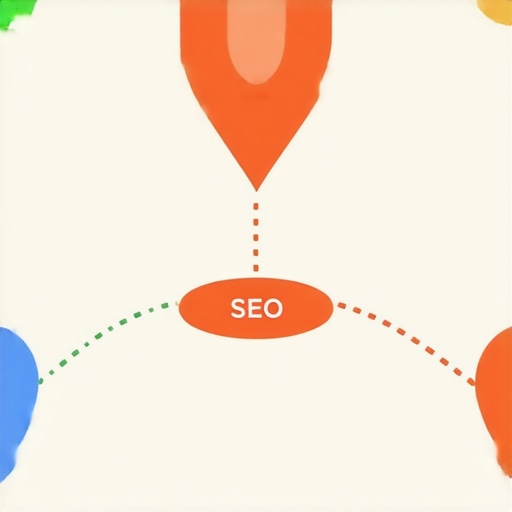
Deep focus on proximity and relevance signals is key to maps SEO success. Visualize this with an illustrated diagram showing proximity radii, key ranking factors, and local signals working together like gears in a machine.
Many local business owners jump into maps SEO packages thinking that more links, keywords, and reviews automatically lead to higher visibility. However, in my experience, one common misconception is that these tactics alone suffice. The truth is, most people overlook the nuanced interplay of signals that Google uses to rank your business—factors like proximity relevance, behavioral data, and AI-driven signals that are becoming increasingly dominant in 2025. Relying solely on traditional SEO metrics without understanding these advanced nuances often results in wasted resources and stagnating rankings. A critical mistake is to think that affordable local marketing simply means cheap tactics; instead, it involves a strategic blend of data-driven insights and customized local signals. For instance, many overlook how Google’s evolving AI models interpret your customer engagement, check-ins, and local popularity metrics, often leading to a mismatch between your efforts and actual rankings. According to industry experts, focusing exclusively on superficial optimization without aligning with emerging AI signals is a recipe for obsolescence—especially in a landscape where AI influences over 50% of search results in 2024, as cited in “Expert SEO Insights 2024.” This is where advanced map SEO strategies come into play, emphasizing the importance of integrating behavioral signals into your SEO plans for 2025. The dangerous trap here is to think that generic SEO packages, which focus only on backlinks and keywords, can deliver sustainable local prominence. Instead, you need tailored, signal-aligned approaches that consider proximity factors, customer preferences, and real-world engagement. By doing so, you’re not just chasing rankings; you’re building a resilient local presence that Google’s AI recognizes and rewards. Want to avoid falling into this common trap? Learn more about how to craft a truly effective local SEO strategy by exploring this comprehensive guide on mastering SEO plans for 2025.Maintaining your local SEO momentum isn’t a one-and-done effort; it requires strategic use of specialized tools and consistent effort. I personally rely on several key platforms that have proven their worth in my journey toward sustainable visibility. For instance, BrightLocal has become my go-to for tracking local rankings and analyzing citation consistency. Its detailed reporting helps me spot fluctuations caused by proximity shifts or review signals, allowing me to act fast before losing ground. Additionally, Moz Local simplifies managing business citations across numerous directories, ensuring NAP consistency—a critical factor for higher map rankings in 2025. I also integrate Google’s Search Console data daily to monitor real-time performance and detect any negative SEO signs early. These tools are indispensable for making data-driven decisions that reinforce your SEO plans.
Looking ahead, the trend is shifting toward AI-powered insights and automation. Future tools will likely focus more on behavioral signals and proximity adjustments in real-time, further personalizing search results. Staying ahead means adopting platforms that can adapt to these rapid changes, ensuring your business remains visible over years, not just months.
**How do I maintain my local SEO efforts over time?** Regular audits are key. I schedule quarterly reviews using a combination of BrightLocal, Moz, and Google tools to assess citation health, review engagement, and ranking progress. This routine helps me catch and fix issues like inconsistent information or declining review scores before they impact my visibility.
For example, I recently identified a drop in rankings due to incorrect business categories across directories. Quick intervention with Moz Local restored consistency and rankings improved within weeks. Implementing automated alerts for review activity and rankings ensures I stay alert without constant manual monitoring.
If you’re serious about keeping your business on top, I recommend integrating these tools into your SEO workflow. They save time, reduce guesswork, and provide actionable insights aligned with emerging AI signals and proximity relevance, making long-term success achievable. Want to strengthen your local visibility with expert-driven tools? Check out this comprehensive guide on mastering SEO plans for 2025, which covers top strategies and tools to keep you ahead in the competitive local landscape. And remember, a small investment in the right tools now can pay huge dividends as local search continues to evolve rapidly—so don’t wait to adapt.
What I Wish I Knew About Maps SEO Before Going All-In
One of the biggest lessons I learned was that chasing rankings without understanding the core relevance factors often leads to wasted effort. Prioritizing proximity signals over superficial link building transformed my results and clarified what truly matters in local SEO.
I also discovered that over-optimizing for keywords can backfire, especially when Google’s AI starts interpreting your intent. Authentic, helpful interactions with your community consistently outperform generic tactics. Investing in real customer engagement, reviews, and local content proved to be more sustainable than quick fixes.
Lastly, I realized that regular audits and flexibility are vital—SEO isn’t set-and-forget. Staying abreast of algorithm shifts and adjusting strategies accordingly keeps your visibility resilient in a competitive landscape. This adaptive mindset is the secret weapon for long-term growth.
Leverage My Favorite Tools to Boost Local Visibility
My go-to platforms include Maps SEO packages—they’ve streamlined my efforts and provided actionable insights directly aligned with upcoming AI signals. BrightLocal remains essential for tracking citation accuracy and local rankings, helping me stay ahead of proximity shifts. Additionally, this comprehensive guide continues to shape my approach to emerging strategies and trends.
Now It’s Your Opportunity to Take Action
Remember, understanding and leveraging hidden signals in maps SEO can unlock new levels of local business success. Taking proactive steps today ensures your visibility remains strong tomorrow—2025 is just around the corner, and the time to act is now.
What’s the most surprising thing you’ve learned about local SEO that changed your approach? Share your insights below and let’s learn together!