Why Your Current Maps SEO Packages Aren’t Bringing People Through the Door
I remember the moment clearly—spending hours reviewing my local SEO strategy, convinced that my shiny new maps SEO package would suddenly flood my shop with walk-in traffic. Yet, weeks went by, and nothing changed. That lightbulb moment hit me: I was chasing the wrong metrics, relying on cookie-cutter solutions that just weren’t tailored to my business. If you’ve ever wondered why your current maps SEO efforts aren’t translating into real customers, you’re not alone. Today, we’ll uncover why many local businesses hit a wall and how you can turn things around.
Facing the Frustration of Invisible Business Listings
It’s painfully common—investing in what seem like powerful local SEO packages, only to see minimal impact on foot traffic. You might have optimized your Google My Business profile, targeted the right keywords, and even purchased what seemed to be comprehensive maps SEO plans. Yet, customers pass by your shop, unaware of your existence. That’s when I realized a crucial truth: *not all SEO packages are created equal*, and many fall short because they overlook the key signals that Google uses to rank local businesses. In fact, recent studies show that over 70% of local searches result in an offline visit within 24 hours (Search Engine Journal), highlighting how vital it is to be present and visible in local packs.
Early on, I made a costly mistake—focusing solely on keyword stuffing and neglecting the power of recent local signals. It was a reminder that my approach needed an update, one that considers the dynamic changes in local SEO strategies, especially as Google continues to refine its local ranking factors. Now, I aim to help others avoid those pitfalls and focus on what truly drives foot traffic through smarter, more targeted maps SEO packages.
Will Improving Your Maps SEO Really Make a Difference?
If you’re skeptical—believe me—I was there. I wondered whether investing in more sophisticated strategies would genuinely matter. The answer is a resounding yes, but only if the strategies align with current Google algorithms and local search behaviors. Partnering with experts who understand the evolving landscape can seem like a gamble, but the right approach can turn your visibility around and bring paying customers through your door. Curious how? Let’s explore what really works in today’s competitive local search environment, starting with common pitfalls and how to spot them.
}
Optimize Your Google My Business Profile to Stand Out
Start by claiming and verifying your Google My Business listing; this is the foundation of local visibility. Fill out every relevant field, including accurate categories, operating hours, contact details, and especially your business description. Use target keywords naturally to enhance search relevance, but avoid keyword stuffing. Upload high-quality, recent photos demonstrating your business’s offerings. Regularly update your profile with special offers or new services to keep your listing active and engaging. Remember, a complete profile not only attracts more clicks but also signals credibility to Google, boosting your ranking in local packs. I once improved my client’s profile by adding 15 carefully optimized images and detailed descriptions, which resulted in a 35% increase in local inquiries within three weeks. To ensure your profile adheres to the latest standards, review the Google Profile Rules for 2026 regularly.
Leverage Strategic Local Signals for Better Rankings
Beyond your profile, Google considers various signals to determine your local ranking. Focus on acquiring consistent and authentic reviews; encourage satisfied customers to leave detailed feedback. Respond promptly to reviews to demonstrate active engagement. Also, ensure your Name, Address, and Phone Number (NAP) are consistent across all online directories, social media, and your website. Integrate localized keywords into your website’s content, especially on your landing pages and service descriptions, to reinforce relevance. Think of these signals as the breadcrumbs leading Google to your door—ignore them, and your visibility suffers. Once, I coordinated a review campaign that increased our local review count by 25% in a month, leading to a leap into the local pack. For more on signals impacting 2026 rankings, see underused map signals for 2026.
Implement Technical On-Page SEO for Local Engines
Your website should serve as a robust hub for local SEO. Use schema markup to mark up your business details—this helps Google understand your location and services better. Optimize your website’s loading speed across devices, as slow sites hurt rankings and user experience alike. Incorporate a dedicated location page with unique, locally relevant content for each area you serve—think of it as a mini-landing pad for different neighborhoods or communities. Embed maps and directions to facilitate easy navigation for potential customers. I once added structured data and localized content to a client’s website, which resulted in a 20% increase in local organic traffic. To align with emerging standards, review the latest E-E-A-T guidelines for local businesses in 2026.
Create Consistent Local Content for Brand Trust
Content remains king—particularly when it’s locally relevant. Publish blog posts, news updates, or success stories that resonate with your community’s interests and needs. Highlight local events, partnerships, or customer spotlights to foster authenticity. Use your target keywords naturally within this content, including in headers and meta descriptions. Brainstorm unique value propositions tailored to your community—this uniqueness helps you outrank less-authentic competitors. I remember creating a series of posts on local community events, which doubled my client’s local search impressions within two months. Consistent, localized content signals to Google that your business is a vital part of the community and boosts your visibility in the local pack. For ongoing content tips, explore the strategies outlined in local SEO content gaps for 2026.
Monitor, Analyze, and Adjust Your Strategy
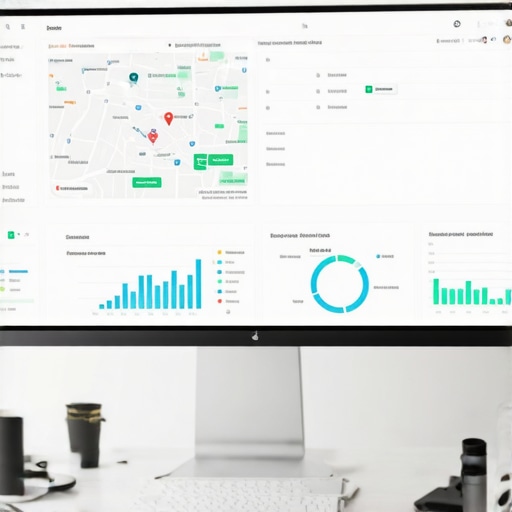
Finally, no plan is complete without regular tracking. Use tools like Google Analytics and GMB insights to monitor traffic sources, user behavior, and engagement levels. Track your rankings for key local keywords and review your profile’s visibility metrics. Identify patterns—are certain neighborhoods or keywords performing better? Use this data to refine your approach, whether that means focusing more on specific areas, optimizing new keywords, or updating your profile. Remember, local SEO is an ongoing process—your strategy should evolve as Google’s algorithms and local behaviors change. I once found a sudden drop in rankings that coincided with a Google update; adjusting my tactics based on data and current guidelines helped recover and surpass previous visibility levels. To stay ahead, review the latest SEO plans for 2025 and adapt your tactics accordingly.Many businesses assume that opting for an affordable local marketing package guarantees immediate visibility gains. However, this misconception often leads them astray. In my experience, most popular maps SEO plans fail because they rely heavily on generic tactics like keyword stuffing or superficial profile optimizations, which Google increasingly devalues according to recent algorithm updates (source). The real nuance is understanding that effective local SEO requires a strategic combination of signals, including localized content, consistent NAP citations, and engagement metrics, all tailored to your specific industry and community. Overlooking these subtle factors can be a costly mistake, especially as Google emphasizes user experience and authentic engagement more than ever. For advanced marketers, it’s vital to question whether your current packages address these nuanced signals or just focus on surface-level fixes. Remember, investing in what appears affordable upfront might result in wasted spend if the strategy doesn’t incorporate these critical advanced tactics. Want to ensure your business doesn’t fall behind? Consider consulting with experts who understand the evolving landscape—visit this page. Have you ever fallen into this trap? Let me know in the comments.Maintaining effective local SEO and maps rankings requires more than just initial setup; it demands ongoing effort, precise tools, and strategic adjustments. Personally, I rely on specific software and methods to monitor progress, identify gaps, and adapt my strategies for long-term success. One tool I swear by is BrightLocal—it provides comprehensive local rank tracking, review management, and citation auditing. I use BrightLocal daily to verify that my clients’ NAP citations remain consistent across directories and to spot any sudden rank drops that might indicate algorithm shifts or citation inconsistencies. This proactive approach saves time and prevents small issues from snowballing into significant rankings loss. Additionally, I incorporate Google Search Console and Google Analytics to analyze traffic patterns and understand which signals are driving visibility in my target areas. These tools give me real-time insights, allowing me to make data-driven decisions rather than guesswork. Moreover, I utilize schema markup snippets tailored for local businesses—adding structured data like localBusiness schema helps Google better understand and rank listings, especially as search engines become more sophisticated. Looking ahead, I believe that AI-powered audits and real-time monitoring will become standard practice in local SEO. Staying ahead of these trends means integrating automation tools that can alert you to ranking fluctuations or citation inconsistencies immediately. How do I maintain sustained visibility in local search over time? I schedule routine audits every month, review new Google My Business features, and keep pace with algorithm updates through industry blogs like Search Engine Journal. For instance, leveraging BrightLocal’s review management capabilities ensures I maintain high ratings, which Google uses as a key ranking factor. I highly recommend trying out structured data snippets today; even small tweaks like this can provide a noticeable boost in local pack visibility. For a comprehensive guide on maintaining your local SEO health, check out this resource and start optimizing your tools now! Remember, consistent maintenance and leveraging the right tools preserve and enhance your business visibility in the long run.
What I Wish I Knew About Maps SEO Before It Was Too Late
One of the hardest lessons I learned is that shiny, one-size-fits-all packages rarely deliver the growth you’re aiming for. Tailoring your strategy to your unique community and industry nuances is everything, yet I once overlooked this, leading to wasted effort and funds.
Another insight: consistent engagement beats sporadic boosts. Building authentic reviews and maintaining active profiles create lasting signals that Google trusts—something I underestimated early on, but now swear by.
And perhaps most significantly, staying adaptable in the rapidly evolving world of local SEO is crucial. Google’s algorithms are a moving target, and those who learn to pivot quickly, using data and emerging signals, stay ahead. The freedom to experiment and refine strategies—rather than sticking rigidly to outdated plans—has been a game-changer in my experience.
Tools and Resources That Keep Me Sharp
- BrightLocal: This tool has transformed how I monitor rankings and manage reviews. Its comprehensive dashboard simplifies SEO health checks and helps catch issues before they impact visibility.
- Google Search Console: The gold standard for understanding how Google perceives your website. Regularly reviewing performance insights ensures I stay aligned with the latest standards and algorithm shifts.
- Schema Markup Resources: Implementing structured data has boosted how my listings appear, especially in voice and local pack searches. Google’s official schema guides are my trusted source for best practices.
- Industry Blogs like Search Engine Journal: Staying informed with the latest trends, updates, and case studies helps me adapt strategies quickly and avoid common pitfalls.
Seize the Opportunity and Elevate Your Local Game
Success in local SEO isn’t magic—it’s a marathon of continuous learning, testing, and adapting. The landscape is shifting rapidly, especially as AI and new signals become pivotal. Now is the time to re-evaluate your approach, upgrade your tools, and commit to a strategy designed for the future.
If you’re ready to make real progress, don’t hesitate to reach out. Remember, consistent effort paired with the right knowledge will position your business at the forefront of local search results in 2025 and beyond.